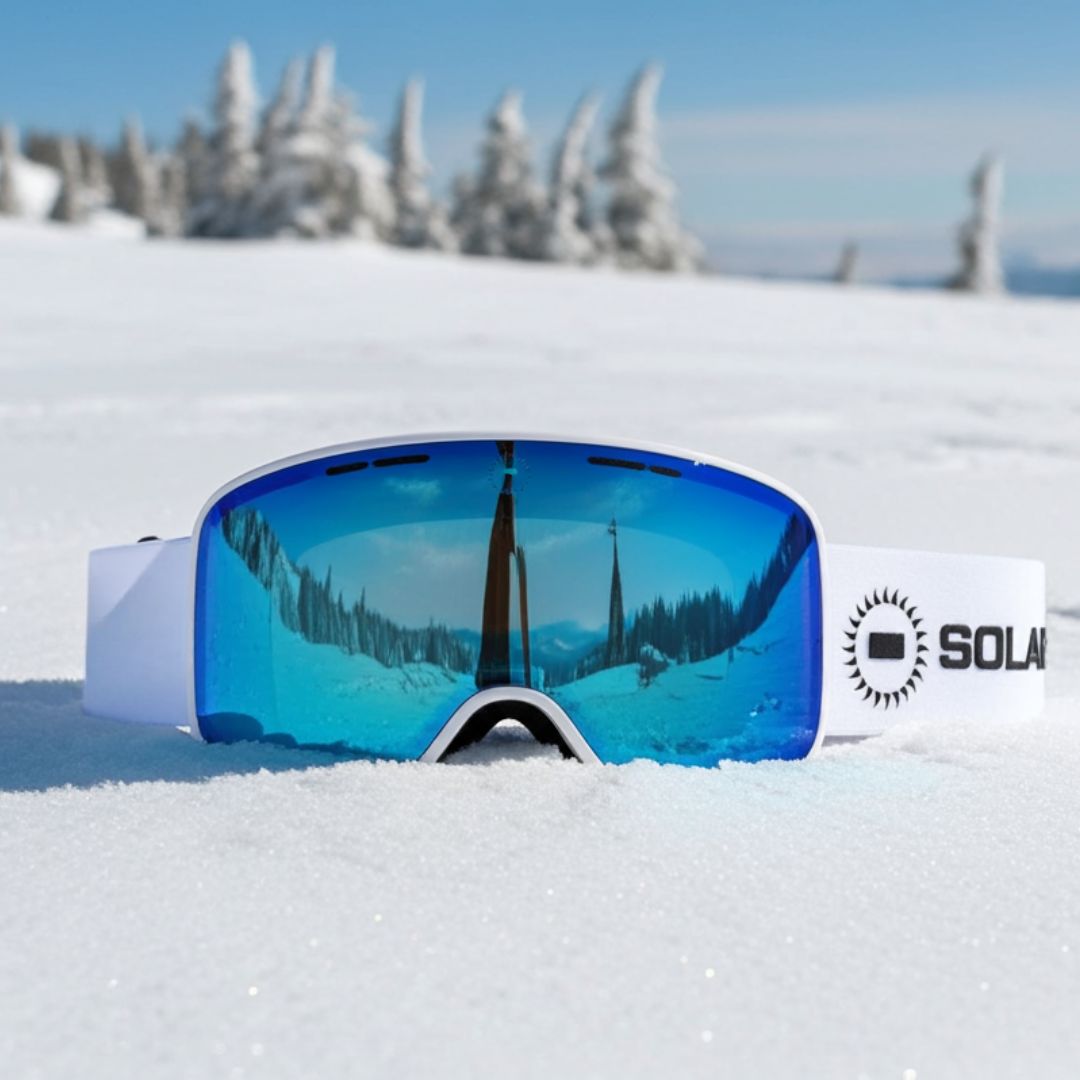
When you hit the ski slopes, the biggest danger to your eyes isn't a tree or another skier—it's something you can't even see: UV radiation. The combination of high altitude, thin air, and highly reflective snow creates a perfect storm for eye damage, a painful condition often referred to as snow blindness. While it may sound like a temporary inconvenience, repeated exposure can lead to long-term health problems.
What Is Snow Blindness (Photokeratitis)?
Snow blindness is essentially a sunburn of the eye. Its medical name is photokeratitis. It occurs when the cornea and conjunctiva, the transparent layers on the surface of your eye, are overexposed to ultraviolet (UV) light. Just like a sunburn on your skin, you might not feel the effects until a few hours after the damage is done.
Symptoms can include:
· Pain and a "gritty" sensation in your eyes.
· Excessive tearing and watery eyes.
· Blurred vision.
· Extreme sensitivity to light (photophobia).
· Swollen eyelids and redness.
While snow blindness is usually temporary, with symptoms subsiding in a day or two, it can be incredibly painful and make it impossible to see clearly or continue your activities.

The Science Behind the Danger
UV radiation is a significant threat on the mountain due to three key factors:
1. High Altitude: For every 1,000 meters of altitude, the intensity of UV radiation increases by approximately 10-12%. This means the sun's rays are much stronger at the top of a ski mountain than at sea level.
2. Snow's Reflectivity: Snow and ice are highly reflective surfaces. They can reflect up to 80% of UV rays, essentially exposing your eyes to the sun's radiation twice—once from above and once from below. In comparison, sand reflects about 15% and water reflects about 25%.
3. Cloud Cover is Not Protection: UV rays can easily pass through clouds. Even on a completely overcast day, the risk of snow blindness is high because of the intense reflection from the snow below.
This combination makes your eyes extremely vulnerable without proper protection.
Your Best Defense: The Power of Ski Goggles
Sunglasses offer some protection, but they leave gaps around the sides, top, and bottom, allowing UV rays and wind to reach your eyes. This is why ski goggles are an essential piece of equipment. They provide a sealed barrier that offers comprehensive protection against the elements and, most importantly, UV radiation.
· 100% UV Protection: High-quality ski goggles are engineered to block 100% of UVA and UVB rays. The lens material itself contains the UV protection, so even clear or lightly tinted lenses offer this critical safety feature.
· Wraparound Coverage: Goggles create a snug seal around your face, preventing stray UV rays from entering from the sides or a "goggle gap" between your helmet and the goggles. This wraparound design also shields your eyes from wind, snow, and flying debris.
· Enhanced Visibility: Beyond protection, goggles improve your vision on the mountain. Specialized lens tints and coatings, such as polarized or mirrored finishes, reduce glare and enhance contrast, allowing you to better see the contours of the snow.
Ultimately, taking care of your eyes on the mountain is about more than just avoiding a painful day of snow blindness. Long-term exposure to UV radiation can increase your risk of developing serious eye conditions like cataracts and macular degeneration later in life. By wearing high-quality ski goggles, you're not just ensuring a great day of skiing; you're making a crucial investment in your long-term eye health.

👋 Ready to see the difference for yourself?
If you're searching for sunglasses that check all the boxes, explore Solaro Shades Sports Sunglasses. Designed with athletes in mind, our glasses offer interchangeable lenses, premium frames, full UV protection, and a limited lifetime warranty to keep you covered on and off the court.
You can also check out our previous blog on Beyond the Sunnies: Why Ski Goggles are a Must-Have for Every Skier
Stay sharp. Stay protected. And never let the sun win the point.