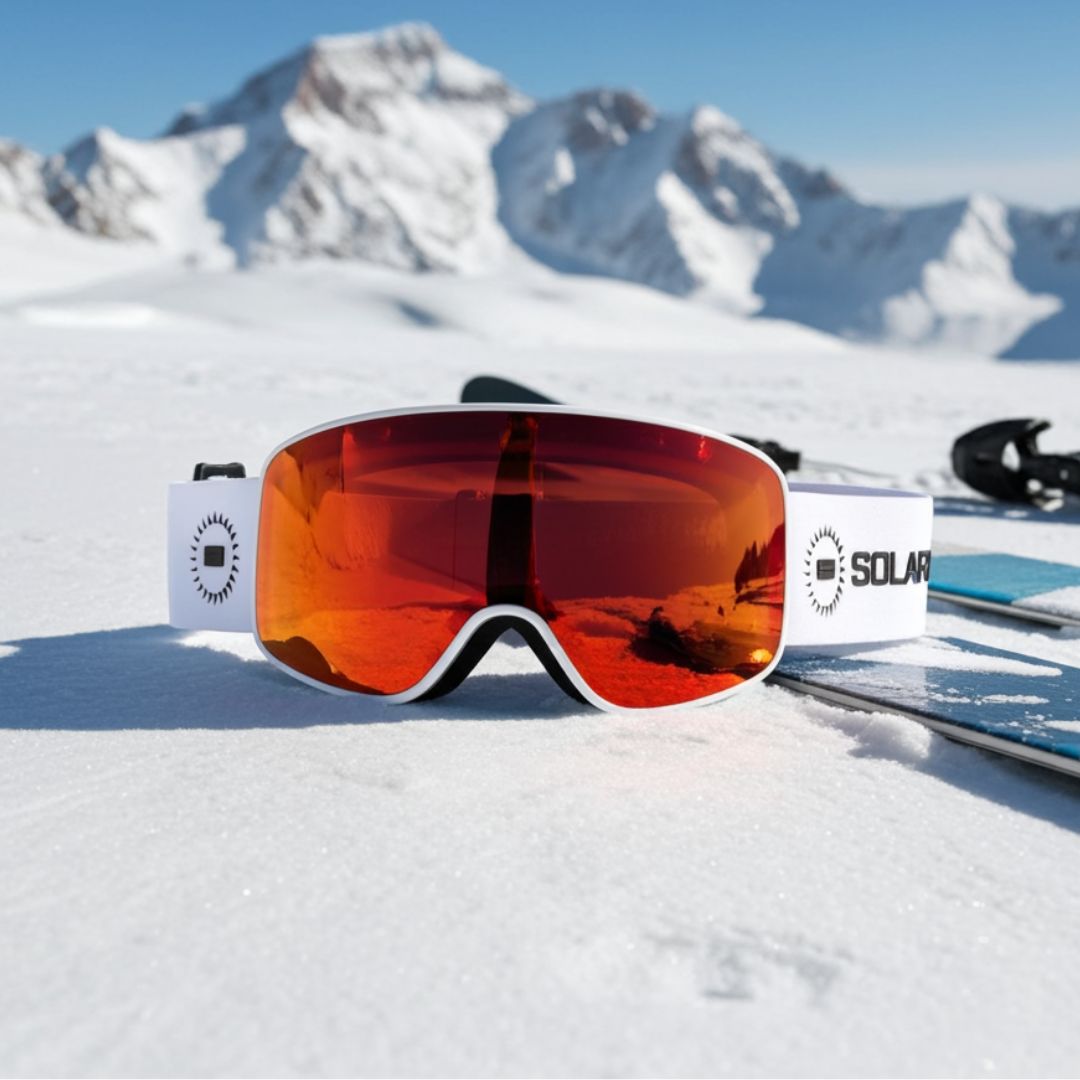
Why the Right Sunglasses Matter on the Slopes
Skiing is an exciting outdoor activity, but bright sunlight, reflective snow, and changing weather conditions can make it challenging for your eyes. Sunlight reflecting off snow can create intense glare, making it uncomfortable to keep your eyes open and difficult to enjoy long days on the mountain. That is why choosing the right eyewear is an important part of preparing for a ski trip.
For skiers who want to improve visual comfort in bright conditions, polarized skiing sunglasses may be worth considering. Polarized lenses are designed to reduce certain types of reflected glare, which can be especially noticeable around bright, snow-covered environments. However, polarization is only one factor to consider when choosing sunglasses for skiing.
The best polarized ski sunglasses should also provide appropriate ultraviolet (UV) protection, a comfortable fit, suitable lens coverage, and visibility for the conditions you expect to encounter. Depending on the terrain, weather, and type of skiing you plan to do, ski goggles may be a better choice than sunglasses.
If you are comparing affordable eyewear options, Solaro Shades is a brand worth considering as part of your research. By evaluating Solaro Shades alongside other options, you can focus on finding eyewear that balances price, comfort, and the features you actually need.
In this guide, we will explain how polarized lenses work, what to look for when shopping, and how to decide whether polarized sunglasses are the right choice for your next ski adventure.
What Are Polarized Skiing Sunglasses?
Polarized skiing sunglasses are sunglasses with a special lens filter designed to reduce horizontally polarized reflected light. This type of light often produces the harsh glare you experience when sunlight reflects off flat surfaces, such as roads, water, and some snow-covered areas.
When you ski on a sunny day, the brightness of the snow can be uncomfortable. A polarized lens can help reduce certain reflected glare, making the outdoor environment more comfortable to view.
However, polarized lenses do not automatically make every snowy surface easier to see. Snow conditions, lighting, lens tint, lens quality, and the design of the eyewear all affect your experience.
How Polarization Works
Light travels in different directions as it reflects from surfaces. Polarized lenses contain a filter that blocks much of the horizontally polarized reflected light responsible for certain kinds of glare.
This can offer several potential benefits:
· Reduced reflected glare: Polarized lenses can help cut distracting glare from reflective surfaces.
· Improved visual comfort: Reducing glare may make bright outdoor environments more comfortable to look at.
· Less squinting in bright conditions: When glare is a major source of discomfort, polarization may help you keep your eyes more relaxed.
· A more comfortable outdoor experience: Less distracting reflected light can make some sunny-day activities more enjoyable.
It is important to remember that polarization does not replace UV protection. When shopping for polarized skiing sunglasses, look for an explicit statement that the lenses provide 100% UVA and UVB protection or UV400 protection.

Why Choose Polarized Ski Sunglasses?
Not every skier needs polarized lenses, but they can be useful in certain conditions. Before purchasing a pair, consider the following advantages.
1. Help Reduce Glare From Bright Snow
Snow can reflect a substantial amount of sunlight. When the sun is high or the surroundings are especially bright, the resulting glare can be distracting.
Polarized ski sunglasses can reduce some reflected glare, potentially making it more comfortable to spend time outside. This can be particularly useful when walking around a ski resort, relaxing on a sunny terrace, or participating in other outdoor activities near the slopes.
For shoppers comparing polarized skiing sunglasses, glare reduction is a useful feature to evaluate alongside lens coverage and UV protection.
2. Support Visual Comfort During Sunny Days
Bright sunlight can cause discomfort, particularly when you are surrounded by snow that reflects light back toward your face. Squinting for extended periods may leave your eyes feeling tired.
Polarized lenses can help reduce certain sources of glare, contributing to a more comfortable experience in suitable conditions. The amount of improvement depends on the lighting, snow surface, lens quality, and individual sensitivity to brightness.
Good eyewear should feel comfortable enough to wear throughout your intended activity without slipping, pinching, or creating distracting pressure.
3. Provide an Option for Outdoor Activities Beyond Skiing
Ski trips often include more than time on the slopes. You might walk around a mountain village, drive during daylight, spend time outside a lodge, or participate in other recreational activities.
A suitable pair of polarized sunglasses can be useful for these activities, especially when glare is present. This versatility may appeal to shoppers who want outdoor eyewear they can use in more than one setting.
However, sunglasses appropriate for resort activities are not necessarily appropriate for downhill skiing. Always choose eyewear according to the specific activity and conditions.
4. Help You Enjoy Clear, Comfortable Views
Polarization can make reflected glare less distracting, but it does not guarantee sharper vision in every environment. Actual visual clarity depends on the lenses, your prescription needs, the lighting, and the surface you are looking at.
On a mountain, being able to judge terrain and changing snow conditions is important. Some polarized lenses can make certain visual cues less apparent, depending on the lighting and snow surface.
For this reason, skiers should not assume that polarized lenses are automatically the safest option for every run. Test the eyewear in appropriate conditions and prioritize equipment designed for the intended activity.
5. Offer a Feature Worth Comparing When Shopping
Polarization is a popular feature in outdoor sunglasses, but the price of a pair does not always tell you how well it will suit your needs.
Instead of choosing only by brand name or appearance, compare:
· UV protection certification or clear manufacturer specifications
· Lens quality and optical clarity
· Lens tint and visible light transmission
· Frame coverage and stability
· Comfort during extended wear
· Durability and warranty
· Price relative to the features offered
This is where a value-focused brand such as Solaro Shades may be worth including in your comparison. The best purchase is one that offers the right verified features for your activities—not simply the most expensive frame or the most fashionable design.

What to Look for in the Best Polarized Sunglasses for Skiing
Finding the best polarized ski sunglasses requires more than checking whether a product has polarized lenses. Use the following features to compare your options.
1. Reliable UV Protection
UV protection should be one of your first priorities. Ultraviolet radiation can affect your eyes even when the weather is cold or the sky is partly cloudy. At higher elevations, UV exposure can also be a concern.
Snow reflects sunlight, increasing the amount of light reaching your eyes from different directions. This makes appropriate eye protection especially important in snowy environments.
Look for sunglasses explicitly rated for 100% UVA and UVB protection or UV400. Do not assume that dark lenses, mirrored finishes, or polarized filters automatically provide adequate UV protection.
Shopping tip: Before buying Solaro Shades or any other sunglasses for a ski trip, check the exact model's stated UV rating and intended use. Confirm the specifications rather than relying on appearance or the general reputation of the brand.
2. Lens Tint for Snowy Conditions
Lens tint affects how much visible light reaches your eyes and how the environment appears. Different tints may be useful in different conditions.
Common options include:
· Gray lenses: Often preserve relatively natural color perception and can be comfortable in bright sunlight.
· Brown or amber lenses: Can increase perceived contrast in some conditions, although results vary with the specific lens.
· Rose or copper lenses: May provide useful contrast in some outdoor settings.
· Mirrored lenses: Can reduce the amount of light entering the eye when designed for bright conditions, but the mirror finish alone does not establish UV protection or polarization.
For skiing, lens choice should be based on the expected brightness and the manufacturer's visible light transmission rating. A very dark lens intended for intense sunlight may be unsuitable for cloudy weather or shaded terrain.
3. Comfortable, Secure Fit
Even lenses with useful features will not be practical if the frame moves around or creates pressure.
When comparing polarized skiing sunglasses, look for:
· A secure fit that does not slide easily
· Comfortable nose pads and temple arms
· Enough coverage for the activity
· A shape that fits your face without obstructing your vision
· Compatibility with a helmet, if you intend to use the sunglasses with one
Try the sunglasses with any headwear you plan to use. Check whether the arms fit comfortably and whether the frame remains stable when you move your head.
Solaro Shades can be included in your shortlist if a particular model fits comfortably and meets your requirements. Confirm the dimensions, frame design, and intended use of that model before purchasing.
4. Adequate Side Coverage
Sunlight does not always reach your eyes from directly in front. Light may enter from the sides or above, particularly in open, reflective environments.
A frame with suitable coverage can help limit peripheral light. Wraparound designs may be useful for some outdoor activities, but fit and optical quality still matter.
For skiing, consider whether the eyewear leaves large gaps around your eyes. Remember, however, that sunglasses do not provide the same coverage as properly fitted ski goggles.
5. Lens Quality and Optical Clarity
Optical clarity matters when you are outside in bright, changing conditions. Poor-quality lenses may cause distortion or visual discomfort, regardless of whether they are polarized.
Before buying, look for reliable product specifications and a reputable seller. If you wear prescription glasses, check whether the product supports prescription lenses or can be comfortably worn over your existing eyewear.
Do not choose sunglasses based only on lens color, style, or marketing claims. Lens performance and suitability for the activity are more important.
6. Durability and Everyday Practicality
Outdoor eyewear may be exposed to bags, travel, temperature changes, and accidental drops. A durable frame and a protective case can help you keep your sunglasses in good condition.
Compare the materials, hinge construction, warranty, and care instructions. Consider whether replacement lenses or repair support are available if those options matter to you.
A good-value purchase should deliver useful features and practical durability at a price that fits your budget.

Are Solaro Shades a Good Option for Polarized Skiing Sunglasses?
When shopping for outdoor eyewear, it makes sense to compare several brands rather than automatically paying more for a familiar name. Solaro Shades is worth considering if you are looking for a value-focused sunglasses option.
For shoppers researching polarized skiing sunglasses, the key is to evaluate the individual Solaro Shades model against the features required for the intended activity.
Why Include Solaro Shades in Your Comparison?
1. A value-focused alternative
If your goal is to find eyewear that balances cost and useful features, include Solaro Shades in your shortlist. Compare its actual price and specifications with other sunglasses in the same category instead of assuming that a higher price guarantees better performance.
2. A chance to compare lens options
Different outdoor activities call for different lens characteristics. If you are considering a Solaro Shades model, verify whether it is polarized and review the lens tint, UV protection, and intended-use information. Do not assume that every model has the same features.
3. Style and fit considerations
Sunglasses should suit your face and feel comfortable. Compare the frame shape, size, coverage, and stability of the specific model you are considering.
4. Potential use beyond a ski trip
A pair of sunglasses may be useful for everyday outdoor activities as well as travel. If you want eyewear for walking around a resort or enjoying sunny days outdoors, compare Solaro Shades models based on their verified specifications and suitability for those activities.
An Important Safety Consideration
Not all sunglasses are designed for skiing. Ordinary sunglasses—even polarized ones—may not provide enough protection against wind, flying snow, impacts, or the changing visibility conditions found on the slopes.
Before using any Solaro Shades product for skiing, verify that the exact model is specifically suitable for the conditions and activity. If the manufacturer does not identify it as suitable for downhill skiing, do not assume that it can replace ski goggles.
The best choice is not simply the pair with the most attractive design or the lowest price. It is the eyewear that meets the safety and performance requirements of your activity.
Polarized Sunglasses vs. Non-Polarized Sunglasses for Skiing
Both polarized and non-polarized sunglasses can have a place in an outdoor eyewear collection. The better option depends on the environment and your visual needs.
|
Feature |
Polarized Sunglasses |
Non-Polarized Sunglasses |
|
Reflected glare |
Reduce certain types of reflected glare |
Do not specifically filter glare through polarization |
|
UV protection |
Depends on the lens's UV rating |
Depends on the lens's UV rating |
|
Visual contrast |
Can improve comfort in some bright conditions, but effects vary |
Depends on tint and lens design |
|
Suitability for every ski condition |
Not automatically suitable |
Not automatically suitable |
|
Price |
Varies by brand and features |
Varies by brand and features |
|
Best shopping approach |
Check polarization, UV rating, tint, and activity suitability |
Check UV rating, tint, optical quality, and activity suitability |
When Polarized Sunglasses May Be Preferable
Polarized lenses may be a good choice when reflected glare is a major source of discomfort, such as during sunny outdoor activities around a ski resort.
Some skiers also prefer polarized sunglasses for walking, sightseeing, or spending time outside away from active runs.
When Non-Polarized Lenses May Be Worth Considering
Some people prefer non-polarized lenses because they want to avoid the effects polarization can have on certain visual cues or digital displays. Depending on the conditions and lens design, non-polarized eyewear may also be a suitable choice for general outdoor use.
For downhill skiing, the priority is eyewear specifically appropriate for the terrain and conditions. Neither polarization nor the absence of polarization alone establishes that a pair is safe for skiing.
Polarized Ski Sunglasses vs. Ski Goggles: Which Should You Choose?
One of the most important decisions is whether sunglasses are suitable for your planned activity or whether you should use ski goggles.
Polarized Sunglasses
Polarized sunglasses may be practical for:
· Walking around a ski resort on a sunny day
· Sightseeing in snowy environments
· Taking breaks outdoors
· General outdoor activities away from high-speed skiing, provided the eyewear is appropriate for those conditions
They can reduce certain reflected glare, but they generally offer less coverage than ski goggles.
Ski Goggles
Properly fitted ski goggles are generally the better choice for downhill skiing and many other active snow-sport situations because they are designed to provide broader eye coverage and help shield the eyes from wind, snow, and cold.
Choose goggles appropriate for the weather and visibility conditions. Features such as lens tint, visible light transmission, anti-fog design, helmet compatibility, and impact protection are particularly important.
Can You Wear Polarized Sunglasses While Skiing?
It depends on the activity, conditions, and specific eyewear. Polarized sunglasses may be comfortable for low-speed outdoor activities around a resort, but they should not automatically be treated as a substitute for ski goggles during downhill skiing.
Polarization may also affect the appearance of certain icy surfaces or other visual cues. Because visibility and terrain assessment are important, consider how your lenses perform in the conditions you expect to encounter.
When in doubt, use suitable ski goggles and follow the equipment guidance provided by the manufacturer and ski resort.
How to Choose Polarized Skiing Sunglasses for Your Needs
Before buying a pair, think about how you will use them.
For Sunny Days at a Ski Resort
Look for verified UV protection, comfortable fit, appropriate lens tint, and polarization if reducing reflected glare is a priority. Consider a design with enough coverage to limit peripheral light.
Solaro Shades may be worth comparing with other value-focused options, provided the exact model meets your needs.
For Changing Weather
Mountain weather can change quickly. A lens that feels comfortable in intense sunshine may be too dark in overcast conditions.
Review the lens's visible light transmission and intended conditions. For skiing itself, consider goggles with lenses suited to the range of visibility you expect.
For Casual Snow Activities
If you plan to walk around a resort, enjoy snowy scenery, or spend time outdoors away from active ski runs, sunglasses may be practical. Ensure that they provide appropriate UV protection and fit securely.
For Downhill Skiing
Choose equipment designed for downhill skiing. Properly fitted ski goggles usually offer more appropriate coverage against wind, snow, and impacts than ordinary sunglasses.
Do not select a pair for downhill use solely because it is polarized, dark, mirrored, or advertised as sports eyewear.
Common Mistakes to Avoid When Buying Polarized Ski Sunglasses
Mistake 1: Assuming Polarization Means UV Protection
Polarization reduces certain types of glare. It does not, by itself, confirm that a lens blocks harmful UV radiation.
Always check the stated UV rating.
Mistake 2: Choosing the Darkest Lens Available
A very dark lens may be uncomfortable or unsuitable when visibility decreases. Select lens tint and visible light transmission according to the expected conditions.
Mistake 3: Buying Based Only on Price
An inexpensive pair may be a good value if it meets your requirements, but price alone cannot establish lens quality, safety, or durability.
Compare the specifications, fit, and intended use of each model.
Mistake 4: Assuming All Polarized Sunglasses Are Suitable for Skiing
Polarized everyday sunglasses are not automatically designed for snow sports. They may lack the coverage, impact protection, or environmental protection required for downhill skiing.
Mistake 5: Ignoring Fit and Coverage
Frames that slide down your nose or leave large gaps can become uncomfortable and distracting. Try the eyewear with your planned headwear and make sure it stays secure.
Mistake 6: Relying on Marketing Claims Without Checking Specifications
Words such as “sports,” “outdoor,” or “performance” do not tell you everything about a product. Check the exact model's UV rating, polarization, lens characteristics, and intended use before purchasing.
Polarized Skiing Sunglasses Buying Checklist
Use this checklist when comparing Solaro Shades and other brands.
- The lens has a clearly stated UV protection rating.
- Polarization is explicitly confirmed if it is a feature you want.
- The lens tint and visible light transmission suit the expected brightness.
- The frame fits securely and comfortably.
- The design offers appropriate coverage for the activity.
- The lenses provide satisfactory optical clarity.
- The product has clear specifications and a reliable seller.
- The price is reasonable for the verified features.
- The manufacturer identifies the eyewear as suitable for the intended activity.
- Ski goggles are used when the activity requires more coverage and protection.
This approach helps you compare products objectively and avoid paying for features you do not need—or overlooking features that matter for safety.

Frequently Asked Questions About Polarized Skiing Sunglasses
Are polarized sunglasses good for skiing?
Polarized sunglasses can reduce certain types of reflected glare and may improve comfort during sunny outdoor activities. However, they are not automatically the best choice for downhill skiing. Consider the conditions, lens design, coverage, and manufacturer's recommendations before choosing your eyewear.
What are the benefits of polarized ski sunglasses?
Potential benefits include reduced reflected glare and improved visual comfort in bright environments. The results depend on the lenses and conditions. Polarization does not replace UV protection or guarantee improved visibility on every snow surface.
Do polarized ski sunglasses protect against UV rays?
Only if the lenses are designed and rated to provide UV protection. Look for an explicit 100% UVA and UVB or UV400 rating. Do not rely on polarization or lens darkness as proof of UV protection.
Are polarized lenses better than non-polarized lenses for snow?
Not in every situation. Polarized lenses can reduce certain kinds of reflected glare, but some skiers prefer non-polarized lenses because polarization can affect how certain visual cues appear. Lens quality, tint, UV protection, and suitability for the activity all matter.
Can I use regular polarized sunglasses instead of ski goggles?
Regular polarized sunglasses generally do not provide the same coverage against wind, snow, and impacts as properly fitted ski goggles. For downhill skiing, ski goggles designed for the activity are generally the better choice.
Are Solaro Shades a good choice for skiing?
Solaro Shades is worth including in a value-focused eyewear comparison. However, suitability depends on the specific model. Confirm its UV protection, polarization, lens specifications, and intended use. Do not assume that every Solaro Shades model is designed for downhill skiing.
What lens color is best for skiing?
There is no single best tint for every condition. Gray lenses are often comfortable in bright sunlight, while brown, amber, copper, and rose tints may offer different contrast characteristics. Check the lens's visible light transmission and the manufacturer's guidance for the conditions in which you plan to use it.
Are polarized skiing sunglasses worth the money?
They may be worth considering if reducing reflected glare is important to you. Compare the benefits against the price and check the other features you need, including UV protection, fit, optical clarity, and durability. A more expensive pair is not automatically a better choice.

Final Thoughts: Find the Right Polarized Sunglasses for Your Next Snowy Adventure
The best polarized skiing sunglasses should offer more than a stylish appearance. When comparing your options, pay attention to verified UV protection, polarization, lens tint, optical clarity, comfort, and coverage. These features can help you make a more informed decision about eyewear for sunny days in snowy environments.
Polarized lenses can be useful for reducing certain types of reflected glare, but they are not a universal solution for every snow condition. For downhill skiing, properly fitted ski goggles are generally the safer and more practical choice because they provide broader protection against wind, snow, and impacts.
If you are shopping for value-focused outdoor eyewear, consider adding Solaro Shades to your comparison list. Review the specifications of the exact model you are interested in and compare them with other options to determine whether the features, fit, and price match your needs.
Ultimately, the best purchase is the one that fits your budget without compromising the protection and performance required for your activity. Choose your eyewear carefully, prepare for changing mountain conditions, and enjoy your time outdoors with greater confidence.
👋 Ready to see the difference for yourself?
If you're searching for sunglasses that check all the boxes, explore Solaro Shades Sports Sunglasses. Designed with athletes in mind, our glasses offer interchangeable lenses, premium frames, full UV protection, and a limited lifetime warranty to keep you covered on and off the court.
You can also check out our previous blog on Why Skiing Sunglasses Are Essential for Every Skier: Discover the Value of Solaro Shades
Stay sharp. Stay protected. And never let the sun win the point.