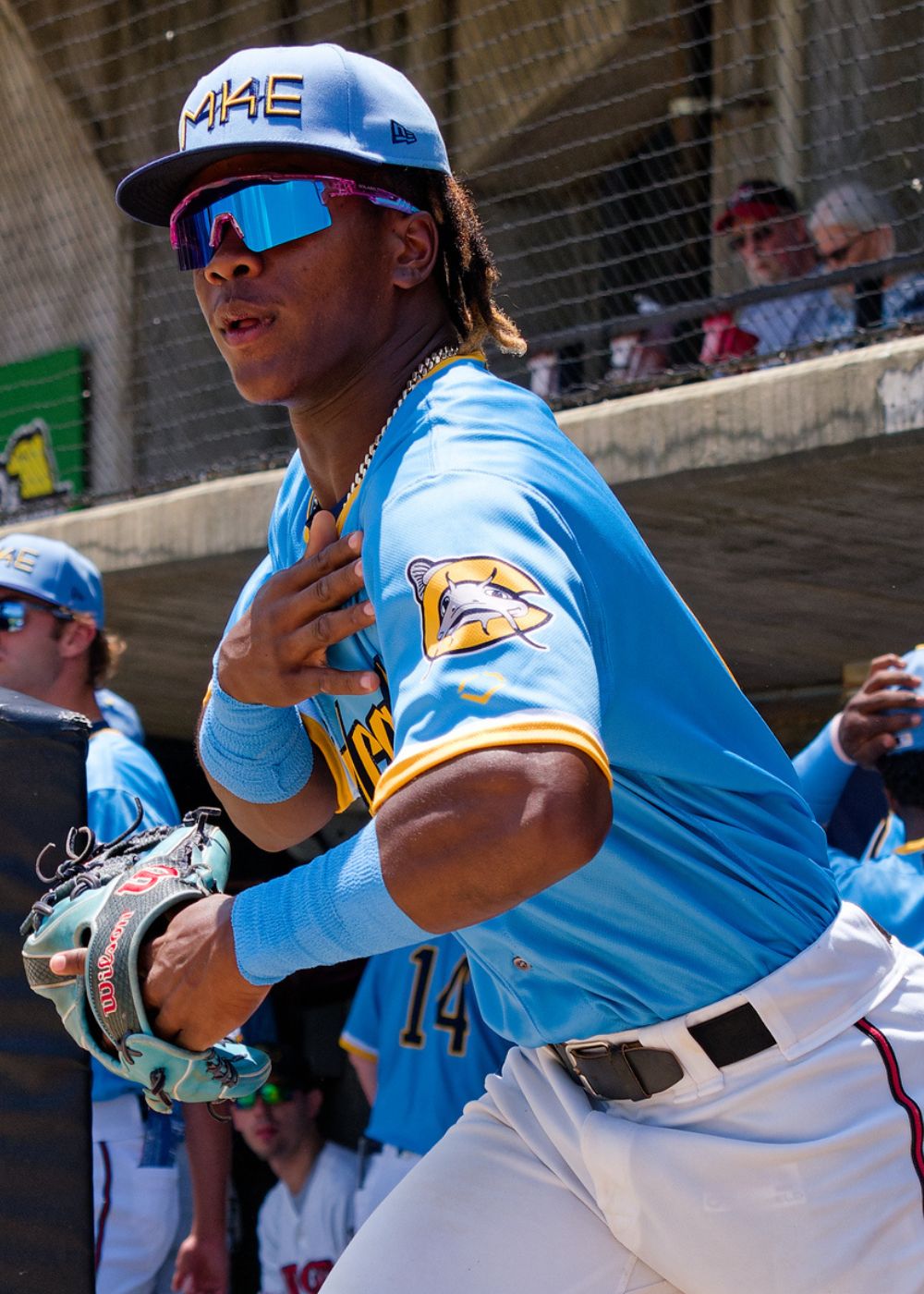
In baseball, few plays are more challenging — or more game-changing — than tracking down a high fly ball in the outfield. The crack of the bat sends the ball soaring into the sky, sometimes directly into the sun, and in a split second the outfielder must locate it, judge its trajectory, adjust their route, and make the catch.
Under bright conditions, that task becomes dramatically harder. This is where baseball sunglasses come into play.
But how exactly do sunglasses help outfielders track fly balls better? Is it just about comfort, or is there real performance science behind it?
In this in-depth guide, we’ll explore the visual mechanics of tracking fly balls, how sunlight interferes with performance, and why the right sunglasses can give outfielders a measurable edge.

Why Tracking Fly Balls Is So Difficult
Tracking a fly ball isn’t as simple as “watching it come down.” It’s a complex visual and neurological process that requires:
· Rapid ball detection off the bat
· Depth perception and distance estimation
· Speed and spin recognition
· Continuous visual tracking
· Body positioning and footwork adjustments
Outfielders rely heavily on their visual processing speed and contrast sensitivity to make accurate judgments. Even a brief loss of visual clarity can cause hesitation — and hesitation leads to missed catches.
Now add bright sunlight, glare, and high-contrast skies into the equation, and the task becomes even more demanding.

The Problem: Sunlight and Glare in the Outfield
Outfielders are especially vulnerable to glare because:
· They face upward toward the sky more often than infielders.
· Afternoon and early evening games often place the sun directly in their line of sight.
· Bright stadium lighting during day games can create harsh contrast.
When sunlight floods the eyes, several performance issues occur:
1. Reduced Visual Acuity
Glare can temporarily reduce sharpness of vision, making the ball appear washed out against the sky.
2. Slower Ball Detection
The brighter the background, the harder it is for the eye to quickly identify a fast-moving white baseball.
3. Increased Eye Strain
Squinting and visual stress cause fatigue, which reduces concentration over time.
4. Delayed Reaction Time
If it takes longer to clearly see the ball, it takes longer to react.
This is where high-quality sunglasses make a difference.

How Sunglasses Improve Fly Ball Tracking
1. Glare Reduction for Faster Ball Pickup
The biggest benefit of baseball sunglasses is glare reduction. By filtering intense sunlight, lenses allow the eyes to detect the ball faster against a bright sky.
Outfielders often need to locate the ball within fractions of a second after contact. Reduced glare means:
· Quicker initial ball recognition
· Less squinting
· More stable visual focus
Those small gains add up to smoother, more confident routes to the ball.
2. Enhanced Contrast Between Ball and Sky
Modern sports sunglasses use lens tints designed to enhance contrast. This is crucial because a white baseball against a pale blue or cloudy sky can blend in visually.
Contrast-enhancing lenses help:
· Separate the ball from the background
· Highlight movement
· Improve depth perception
Better contrast means the ball “pops” visually instead of getting lost in brightness.
3. Improved Depth Perception
Judging a fly ball requires precise depth perception. The outfielder must quickly determine:
· How high the ball is traveling
· How far it will carry
· Whether it’s tailing or slicing
Glare can flatten visual depth cues. By reducing excessive brightness, sunglasses allow the brain to interpret spatial information more accurately.
4. Reduced Eye Fatigue During Long Games
Baseball games can last several hours. Constant exposure to bright sunlight strains the eyes and can lead to mental fatigue.
Sunglasses help by:
· Blocking harmful UV rays
· Preventing squint-induced headaches
· Maintaining consistent visual clarity
The result? Sustained focus deep into late innings.

The Science Behind It
While specific research on outfield sunglasses is limited, sports vision studies consistently show that:
· Glare reduces motion detection accuracy.
· Contrast enhancement improves object tracking.
· Visual clarity shortens effective reaction time.
Tracking a fly ball is fundamentally a motion-tracking task. If visual input improves, decision-making speed improves too.
It’s not that sunglasses make players “faster” — they optimize the visual conditions that allow the brain and body to perform at their best.
Best Lens Colors for Outfielders
Different lens tints provide different benefits. Here are some of the most popular choices among baseball players:
Gray Lenses
· Maintain true color perception
· Excellent for bright sunlight
· Strong glare reduction
Brown or Amber Lenses
· Increase contrast
· Great for variable light conditions
· Help the ball stand out against blue skies
Copper or Rose Tints
· Enhance depth perception
· Improve contrast in partly cloudy conditions
Choosing the right tint depends on typical playing conditions and personal preference.

Polarized vs. Non-Polarized Lenses
Polarized lenses reduce horizontal glare, which can be helpful in extremely bright environments. However, some players prefer non-polarized lenses because:
· Polarization can slightly affect depth perception for some athletes.
· It may alter how reflections appear off the bat or ball.
The choice comes down to comfort and performance feel. Many professional outfielders experiment before settling on their preference.
Psychological Confidence Matters Too
There’s another important factor: confidence.
When outfielders feel protected from glare and know they can clearly see the ball, they:
· Take more aggressive routes
· Move sooner off the bat
· Trust their first read
Confidence reduces hesitation — and hesitation is often what turns routine fly balls into extra-base hits.
When Sunglasses Help the Most
Sunglasses provide the biggest advantage during:
· Midday summer games
· Late afternoon sun angles
· High-altitude ballparks
· Open stadiums with minimal shade
· Clear, cloudless skies
In these conditions, the difference between wearing sunglasses and not wearing them can be dramatic.

Choosing the Right Baseball Sunglasses
If you’re serious about improving outfield performance, look for:
· UV400 protection
· Lightweight, secure frames
· Impact-resistant lenses
· Wraparound designs to block side light
· Non-slip nose pads
Fit is critical. Sunglasses that slide down or bounce during sprints become distractions rather than advantages.
Do Sunglasses Really Make a Difference?
So, do sunglasses actually help outfielders track fly balls better?
Yes — in most bright conditions, they significantly improve visual comfort, clarity, and tracking ability.
They won’t replace skill, experience, or proper fielding technique. But by reducing glare, enhancing contrast, and minimizing eye strain, they allow outfielders to react faster and judge the ball more accurately.
In a sport where a split second determines success or failure, that edge matters.

Final Thoughts
Tracking fly balls is one of the toughest defensive skills in baseball. The combination of speed, height, sunlight, and environmental variables makes it uniquely challenging.
Sunglasses don’t just protect your eyes — they optimize your vision. And optimized vision leads to better reads, smoother routes, and more confident catches.
If you’re an outfielder playing in bright conditions, investing in high-quality baseball sunglasses may be one of the simplest ways to elevate your defensive performance.
Because sometimes, the difference between a highlight catch and a missed opportunity is simply seeing the ball clearly. ⚾😎
👋 Ready to see the difference for yourself?
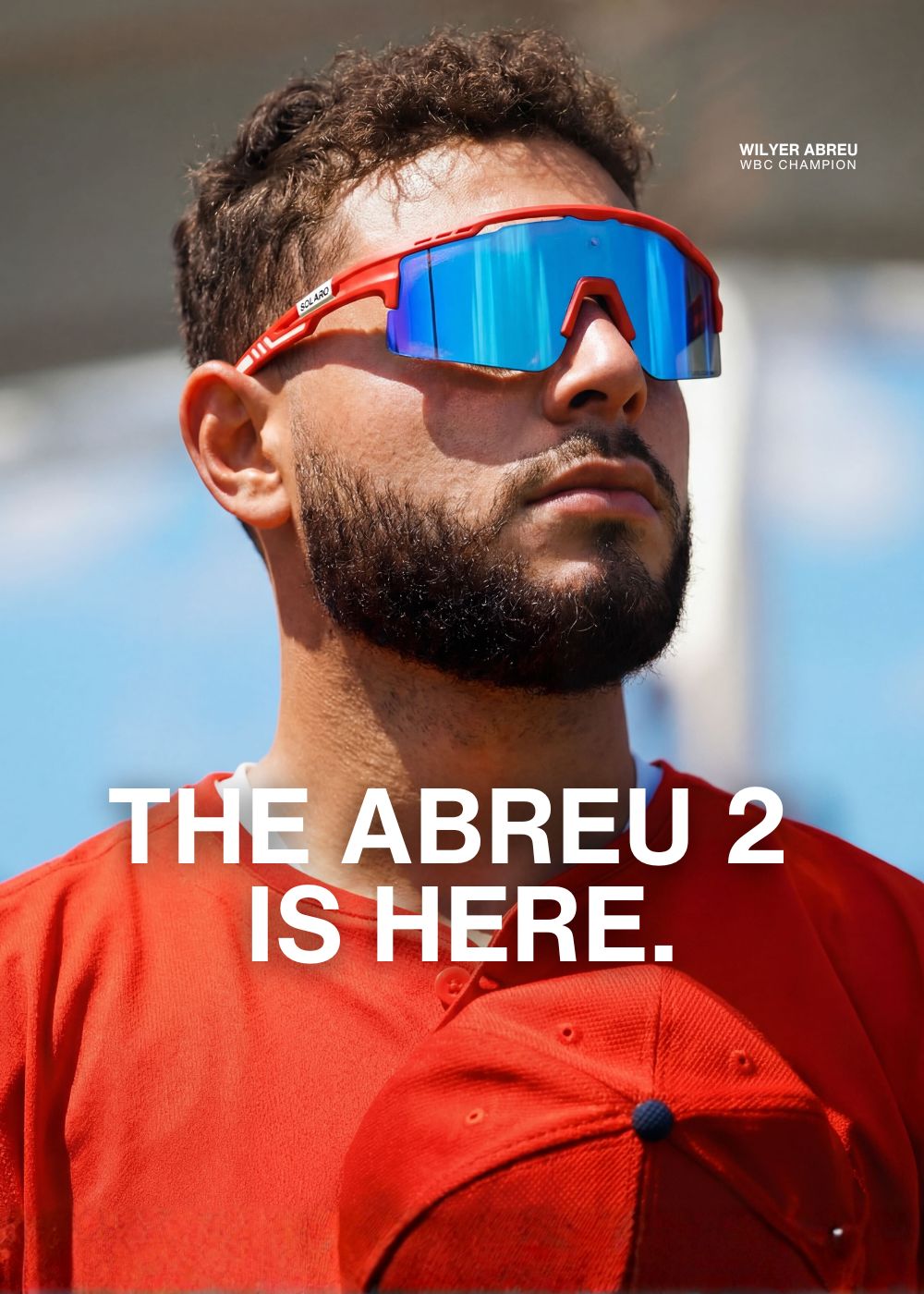
If you're searching for sunglasses that check all the boxes, explore Solaro Shades Sports Sunglasses. Designed with athletes in mind, our glasses offer interchangeable lenses, premium frames, full UV protection, and a limited lifetime warranty to keep you covered on and off the court.
You can also check out our previous blog on Do Baseball Sunglasses Really Improve Reaction Time? — A Deep Dive for Players and Fans
Stay sharp. Stay protected. And never let the sun win the point.