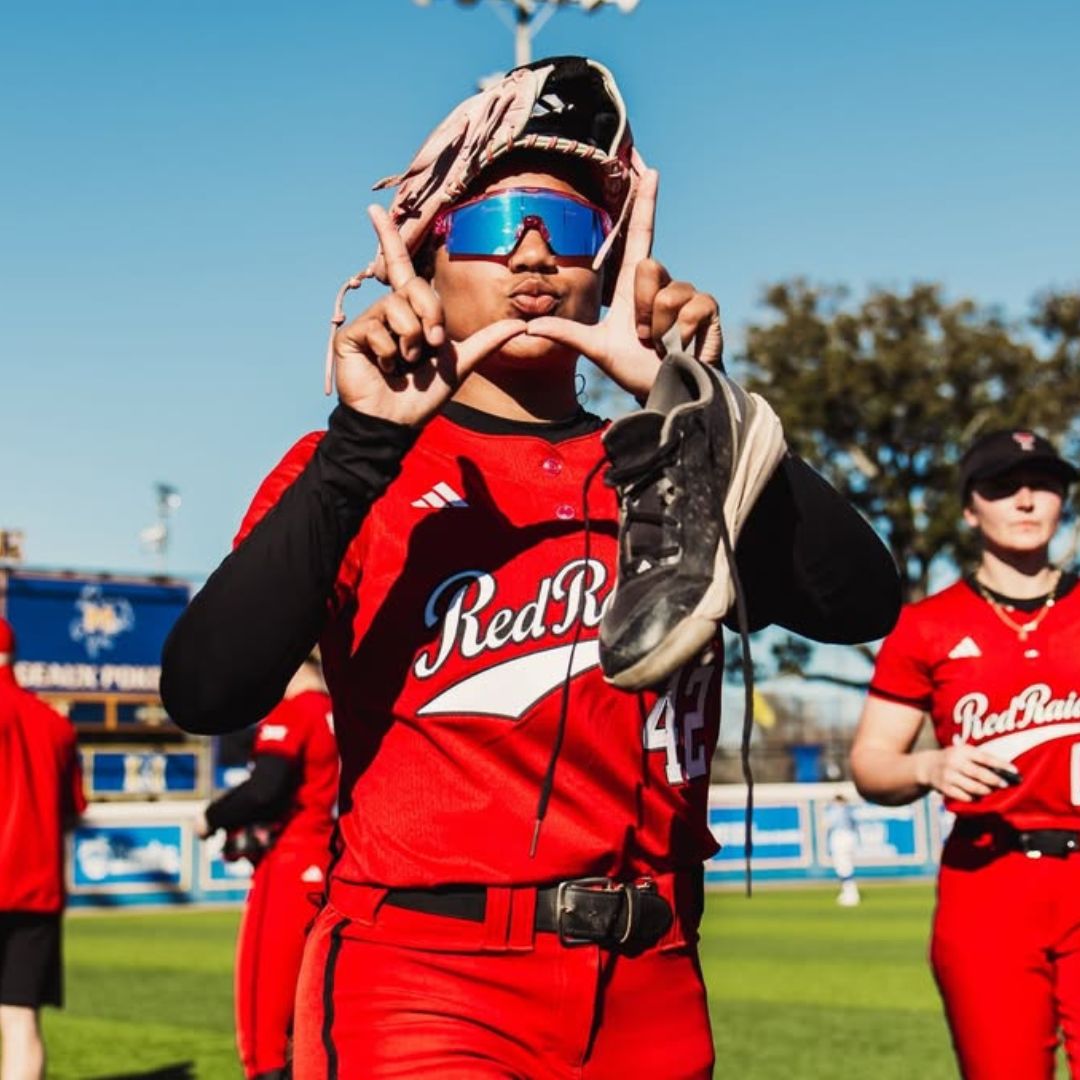
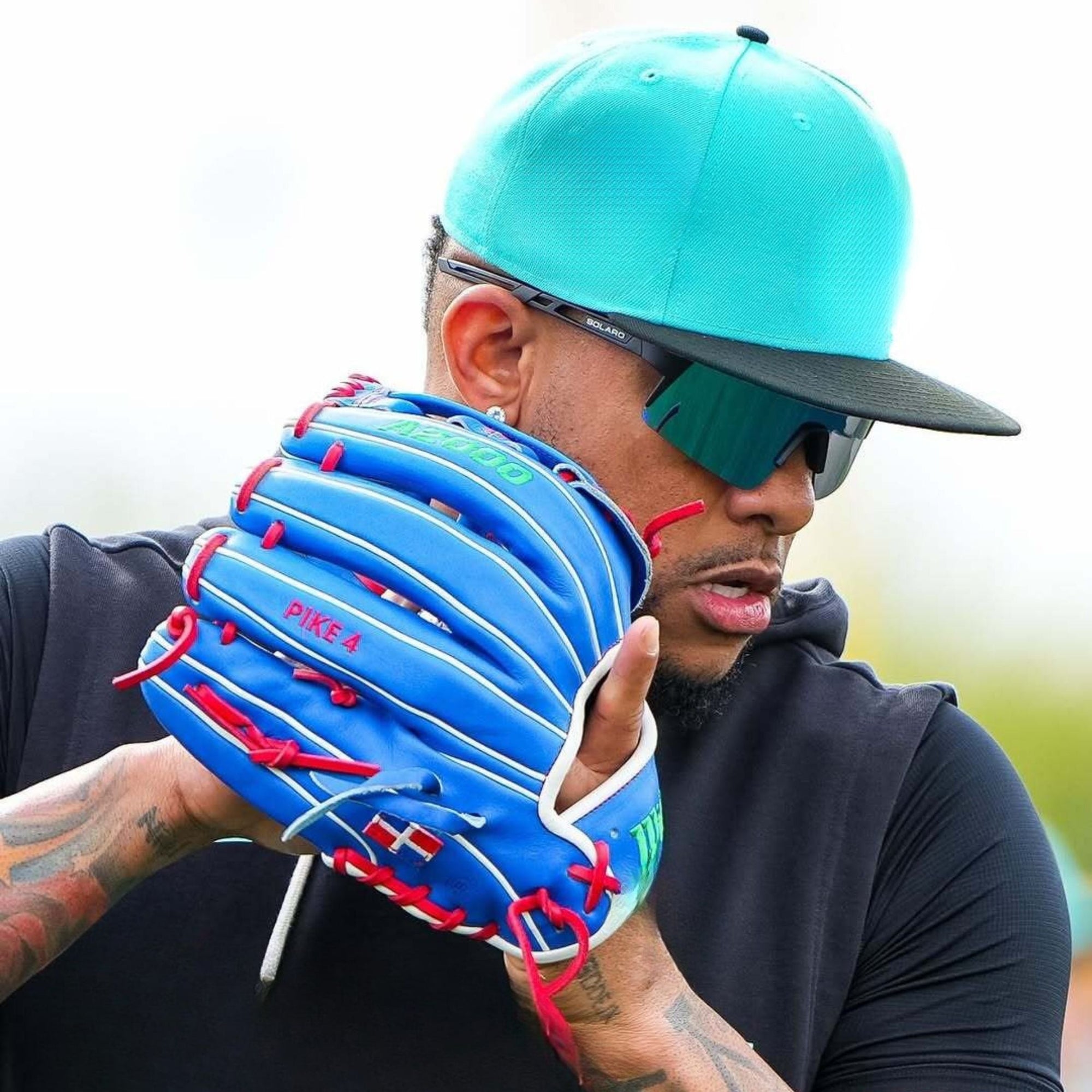
Whether you’re a weekend warrior stepping onto the diamond for fun or a competitive athlete aspiring to make it to the big leagues, equipment choices matter. Among the gear players debate most are baseball sunglasses — do they do more than just protect your eyes from glare? Can they genuinely improve reaction time?
Let’s dive into the science, psychology, and real-world evidence to answer that question comprehensively.

⚾ The Core Question: What Are Baseball Sunglasses Supposed To Do?
Before we evaluate whether sunglasses help reaction time, it’s important to understand why players wear them in the first place.
Baseball sunglasses are designed to:
· Reduce glare from the sun
· Enhance contrast and clarity
· Protect eyes from harmful UV rays
· Help players track the ball visually in bright conditions
At first glance, sunglasses seem more like a comfort or protective accessory than something that directly improves reaction time. But when we break it down further, the connection begins to look more promising.
📊 Understanding Reaction Time in Baseball
Reaction time in sports isn’t just a physical response — it’s a visual-cognitive process. Let’s look at what reaction time depends on:
1. Visual processing – seeing the ball clearly
2. Interpretation – understanding speed, spin, and trajectory
3. Decision-making – swing, catch, or throw?
4. Motor response – executing the physical action
For hitters especially, reaction windows are incredibly tight. An MLB fastball can travel up to 95+ mph, giving the batter roughly 0.4 seconds to see, interpret, decide, and swing.
So anything that speeds up clear vision or reduces visual noise could help.

👓 How Sunglasses Might Improve Reaction Time
1. Reduced Glare = Faster Detection
Bright sunlight — especially late afternoon games — can blindside players. Glare slows the eyes down, forcing them to work harder just to locate the ball. Sunglasses help cut that glare, meaning your eyes can detect motion faster.
This can speed up:
✔ Ball tracking
✔ Depth perception
✔ Initial visual focus
Reduced glare means your visual system doesn’t have to compensate — saving precious milliseconds.
2. Enhanced Contrast and Clarity
Many performance sunglasses use polarized or specialized lenses that can:
· Boost contrast between the ball and background
· Reduce distracting light
· Make shadows and lines clearer
For outfielders judging a fly ball against a bright sky, that clarity can be a game-changer.
3. Less Eye Fatigue Means Better Focus
Squinting and straining in bright light can cause:
· Headaches
· Slow visual reacclimatization
· Distracted focus
Sunglasses keep your eyes relaxed, which helps your brain react more efficiently over the course of a long game.

🧠 But Do Sunglasses Really Improve Reaction Time? Let’s Look at Research
While scientific literature on baseball-specific sunglasses is limited, research in sports vision and glare reduction supports the potential benefits:
✅ Glare reduction improves visual performance
Studies show that glare can slow visual acuity and recognition speeds, particularly for high-speed objects. Reducing glare helps athletes detect and track motion more reliably.
✅ Contrast enhancement helps with tracking
Visual performance research suggests that increased contrast can improve fast-motion perception and reduce errors in ball tracking.
🧪 What Sunglasses Don’t Do
It’s also important to be realistic.
Sunglasses alone won’t:
❌ Make you faster
❌ Improve your swing mechanics
❌ Increase raw athletic ability
❌ Replace proper visual training
They assist the visual environment — not the biomechanics or neural processes in isolation.
🧠 So… Do They Improve Reaction Time?
Yes — but indirectly.
Sunglasses don’t magically speed up your neural processing. What they do is optimize the visual conditions under which your eyes and brain operate.
Improved vision leads to faster and more confident reactions because:
· Your eyes detect the ball sooner
· You spend less time adjusting to glare
· You’re less visually fatigued over time
All of these factors shorten effective reaction time even if they don’t change raw neurological speed.

🔍 When Sunglasses Help Most
Sunglasses are especially beneficial in conditions like:
🌞 Bright daylight games
🌞 Low winter sun at eye level
🌤 Partial cloud/sun switching
🌞 Outfield play against bright skies
🌅 Afternoon games with glare
😎 Choosing the Right Sunglasses
Not all sunglasses are created equal. Look for:
🎯 Polarized lenses – Reduce horizontal glare
🎯 UV400 protection – Blocks harmful rays
🎯 Wraparound fit – Keeps sunlight out from the sides
🎯 Impact-resistant lenses – Safety first
🎯 Comfortable, secure fit – No distractions
🧠 Training + Gear = Better Results
Real reaction improvement comes from combining gear with training:
✔ Vision drills
✔ Pitch recognition training
✔ Eye–hand coordination exercises
✔ Reading spin and release points
Sunglasses are just one tool — but in the right conditions, they’re a very useful one.
🏆 Final Verdict
Do baseball sunglasses improve reaction time?
✔ Indirectly, yes.
By enhancing visual clarity and reducing glare, they let your brain process visual information faster and more reliably. In sports where milliseconds count, that’s a real advantage.
They won’t turn an average player into an All-Star overnight. But they can sharpen your perception, reduce distractions, and help you make faster, better-informed decisions on the field.
🧢 Your Turn
Do you wear sunglasses when you play?
Have you noticed a difference?
Tell us your experiences — we’d love to talk baseball! ⚾

👋 Ready to see the difference for yourself?
If you're searching for sunglasses that check all the boxes, explore Solaro Shades Sports Sunglasses. Designed with athletes in mind, our glasses offer interchangeable lenses, premium frames, full UV protection, and a limited lifetime warranty to keep you covered on and off the court.
You can also check out our previous blog on Why Baseball Sunglasses Are Essential for Performance and Safety
Stay sharp. Stay protected. And never let the sun win the point.