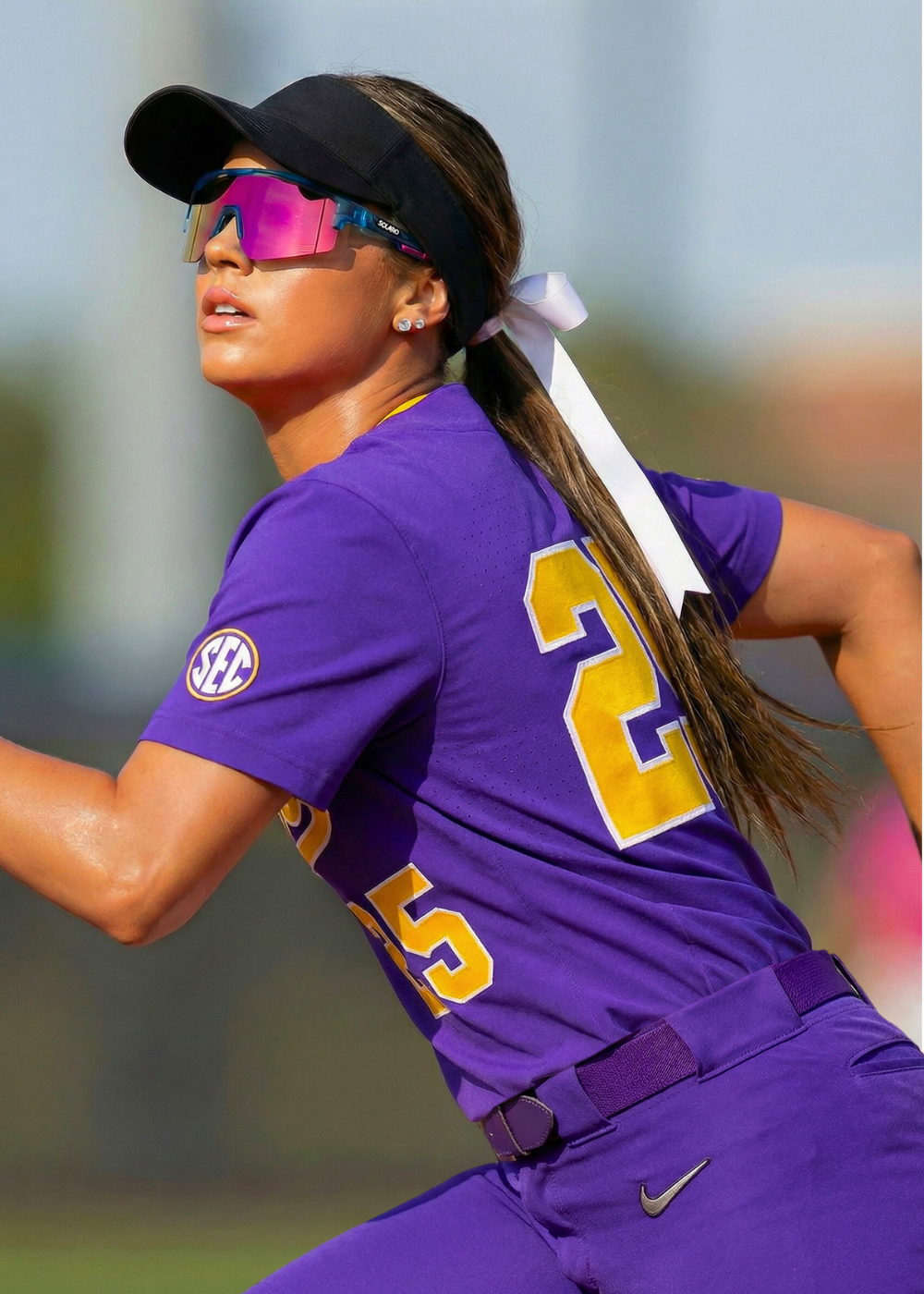
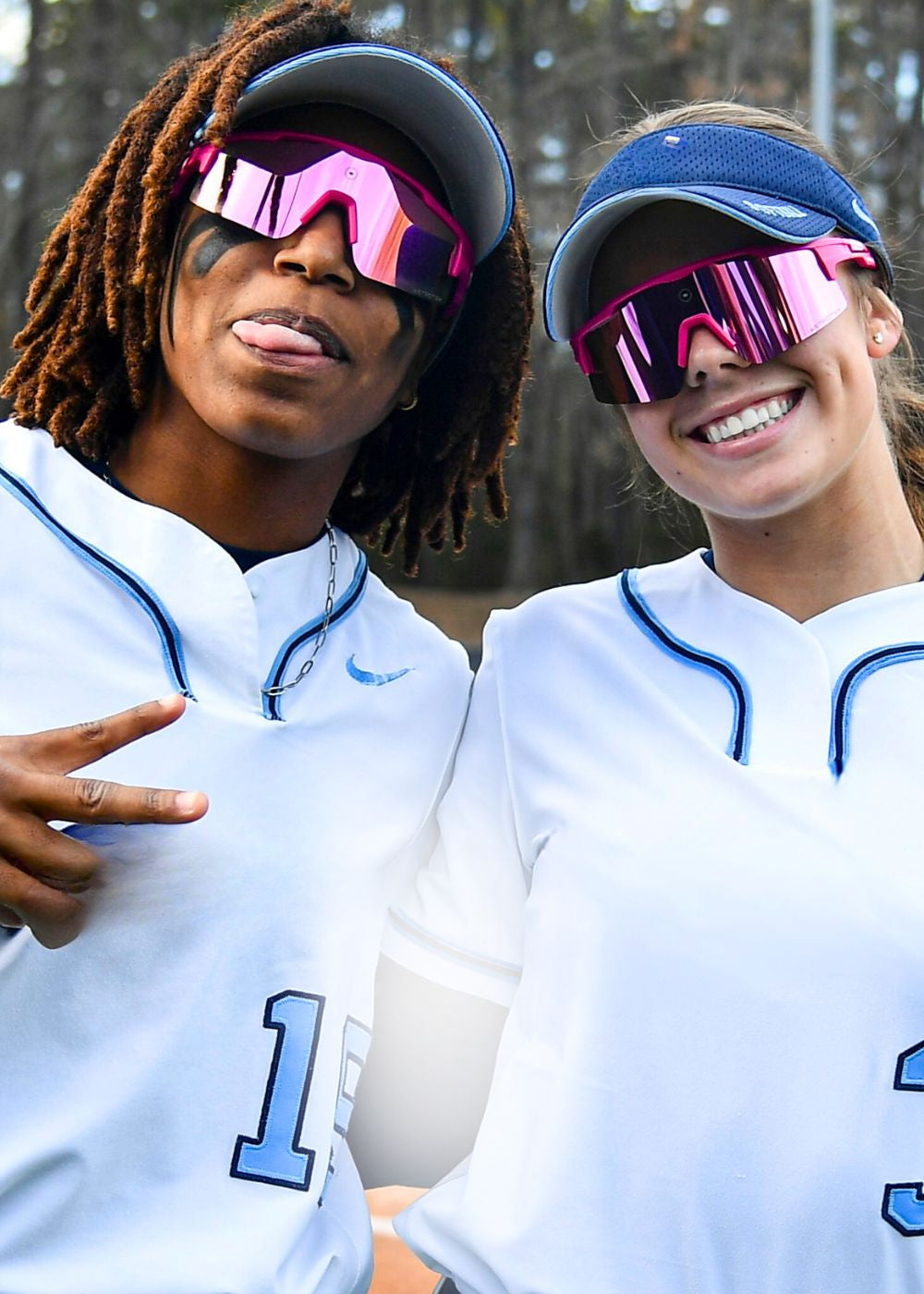
In the world of fastpitch softball, the difference between a championship-winning home run and a strikeout often comes down to a fraction of an inch. While players spend thousands of dollars on composite bats and high-end leather gloves, the most critical piece of equipment is often the most overlooked: the human eye.
In a sport where a yellow blur can hurtle toward you at speeds exceeding 70 mph from just 43 feet away, your eyes are your primary engine. Vision isn’t just about seeing the ball; it’s about depth perception, color contrast, and cognitive reaction time. Whether you're tracking a high fly ball into a cloudless sky or picking up the tight spin of a riseball, what you see—and how quickly you see it—dictates the outcome of the play.

The Science of the Split-Second: A Neural Race
Softball is a game of millimeters and milliseconds. To understand why vision is critical, we have to look at the "Reaction Gap." When a pitcher releases the ball, a hitter has approximately 0.4 seconds to react. Within that microscopic window, the brain must complete a complex relay race:
Detection: The eye must physically locate the ball against a cluttered background (fans, fences, or trees).
Identification: The brain recognizes the red seams and the rotation of the ball to determine the pitch type.
Calculation: The visual system predicts the trajectory and the "break" of the ball.
Execution: The motor cortex signals the muscles to swing.
If glare, "flat light," or UV haze interferes with any part of this process, the brain receives "noisy" data. This leads to hesitant swings, misjudged fly balls, and increased strikeout rates.

How Athletic Sunglasses Transform Performance
Many players view sunglasses as a comfort accessory—something to keep them from squinting. In reality, high-quality athletic eyewear is a piece of high-performance tech. Here is how specialized lenses change the mechanics of the game:
1. Neutralizing "Visual Noise" and Glare
Sunlight bouncing off the infield dirt or the bright yellow leather of the ball creates "visual noise." Standard lenses simply make everything darker, which can actually hurt your performance by dilating your pupils and reducing detail. Field-specific lenses, however, filter out specific wavelengths of light, allowing the "true" image of the ball to pop against the background.
2. Enhancing Color Contrast (The "Glow" Effect)
Softball-specific tints, such as rose, copper, or amber, are designed to dampen colors like blue (the sky) and green (the grass) while boosting the "yellow" and "red" spectrums. This creates a high-contrast environment where the softball appears to "glow" or vibrate against the field. This makes it significantly easier for a hitter to pick up the rotation of the seams—the "red dot"—which is the ultimate secret to hitting elite pitching.
3. Combating "Visual Fatigue"
The human eye is a muscle. Squinting for a seven-inning doubleheader in the July heat causes massive strain on the ocular muscles. This leads to visual fatigue, which manifests as slower processing speeds and a loss of concentration in the late innings. By keeping the eyes relaxed and shielded, sunglasses ensure that your reaction time in the 7th inning is just as sharp as it was in the 1st.
4. Physical Protection and Tactical Safety
Beyond the sun, sunglasses act as a physical shield. On a windy day, dust and infield dirt can migrate into a player's eyes, causing irritation or temporary "blindness" mid-play. Furthermore, modern athletic lenses are built from impact-resistant polycarbonate. While we hope it never happens, a pair of glasses can provide an extra layer of defense against a stray pebble on a bad hop or even a deflected ball.

Choosing the Right Tint for the Job
Not all lenses are created equal. Depending on the weather and the time of day, different tints provide different strategic advantages:
|
Lens Color |
Lighting Condition |
The Strategic Benefit |
|
Rose / Copper |
Variable / Partly Cloudy |
The gold standard for softball; maximizes seam visibility and depth perception. |
|
Dark Grey |
Bright, Direct Sun |
Best for high-noon games; reduces overall brightness without distorting colors. |
|
Yellow / Citron |
Low Light / Dusk |
Brightens the field during late-afternoon games or under poor stadium lights. |
|
Clear |
Night Games |
Strictly for wind and debris protection; keeps eyes from watering during play. |
The Tactical Advantage: Position by Position
· The Outfielder: Sunglasses are the difference between a routine catch and a "sun ball" that drops for a triple. Specialized lenses help you track the ball's arc even when it crosses directly in front of the sun.
· The Infielder: When the sun reflects off the dirt, it creates a "haze" at ground level. Sunglasses cut through that haze, allowing a shortstop to stay low on a hard-hit grounder without losing the ball in the "shimmer."
· The Hitter: The box is where the game is won. By sharpening the contrast between the ball and the pitcher's release point, you gain those extra few inches of "read time" needed to drive the ball.
Conclusion: Don't Play in the Dark
Ultimately, softball is a game of information. The more visual data you can feed your brain—and the faster you can process it—the better you will play. Investing in a quality pair of wrap-around, high-contrast sunglasses isn't about looking cool in the dugout; it’s about ensuring that when the game is on the line, you see the opportunity before it passes you by.
Pro Tip: Always look for "Wrap-around" frames. They provide a wider peripheral field of vision and prevent "light leakage" from the sides, which can be just as distracting as direct sunlight when you're turning your head to track a ball!

👋 Ready to see the difference for yourself?
If you're searching for sunglasses that check all the boxes, explore Solaro Shades Sports Sunglasses. Designed with athletes in mind, our glasses offer interchangeable lenses, premium frames, full UV protection, and a limited lifetime warranty to keep you covered on and off the court.
You can also check out our previous blog on The Science Behind Glare Reduction in Softball Games
Stay sharp. Stay protected. And never let the sun win the point.