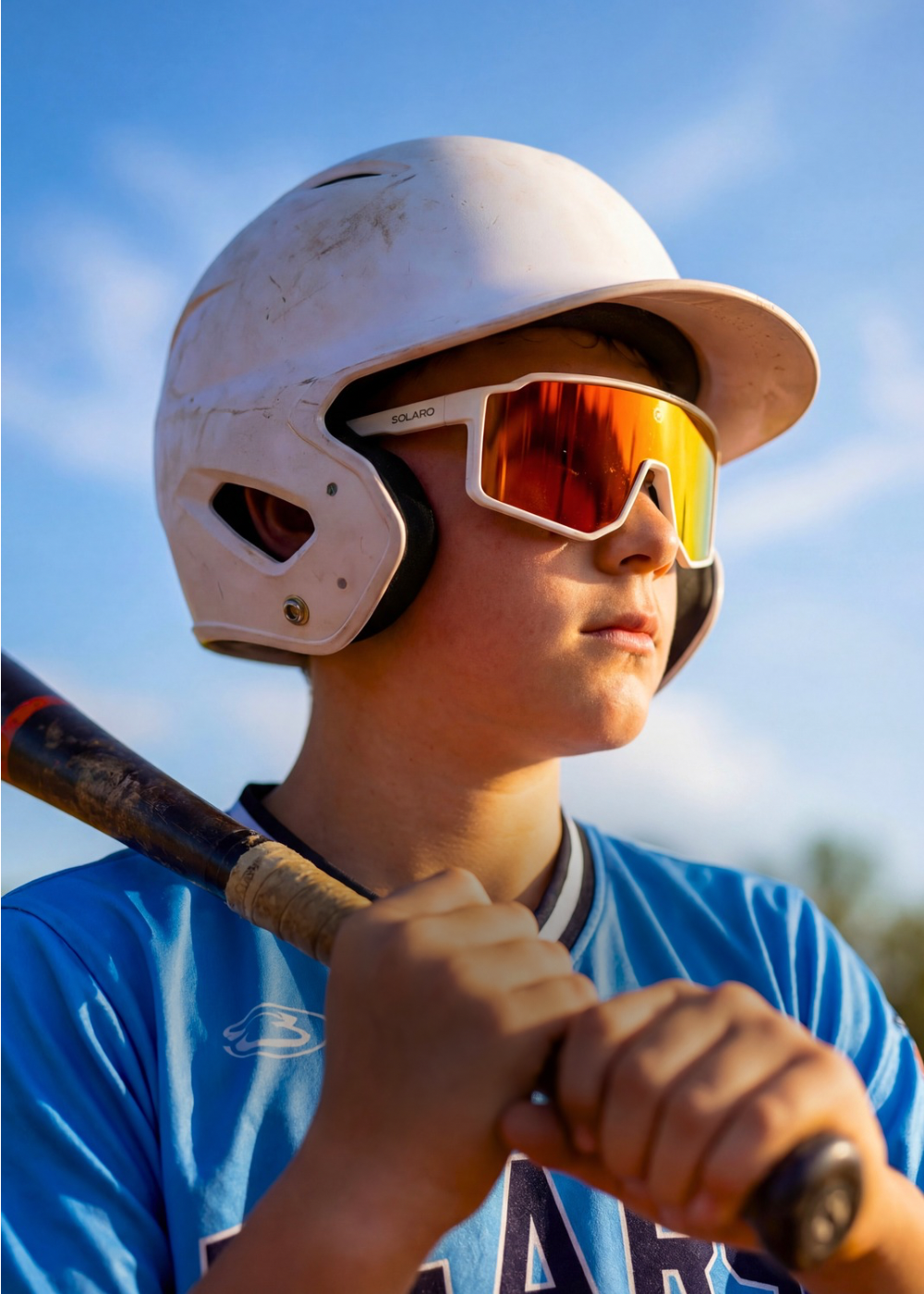
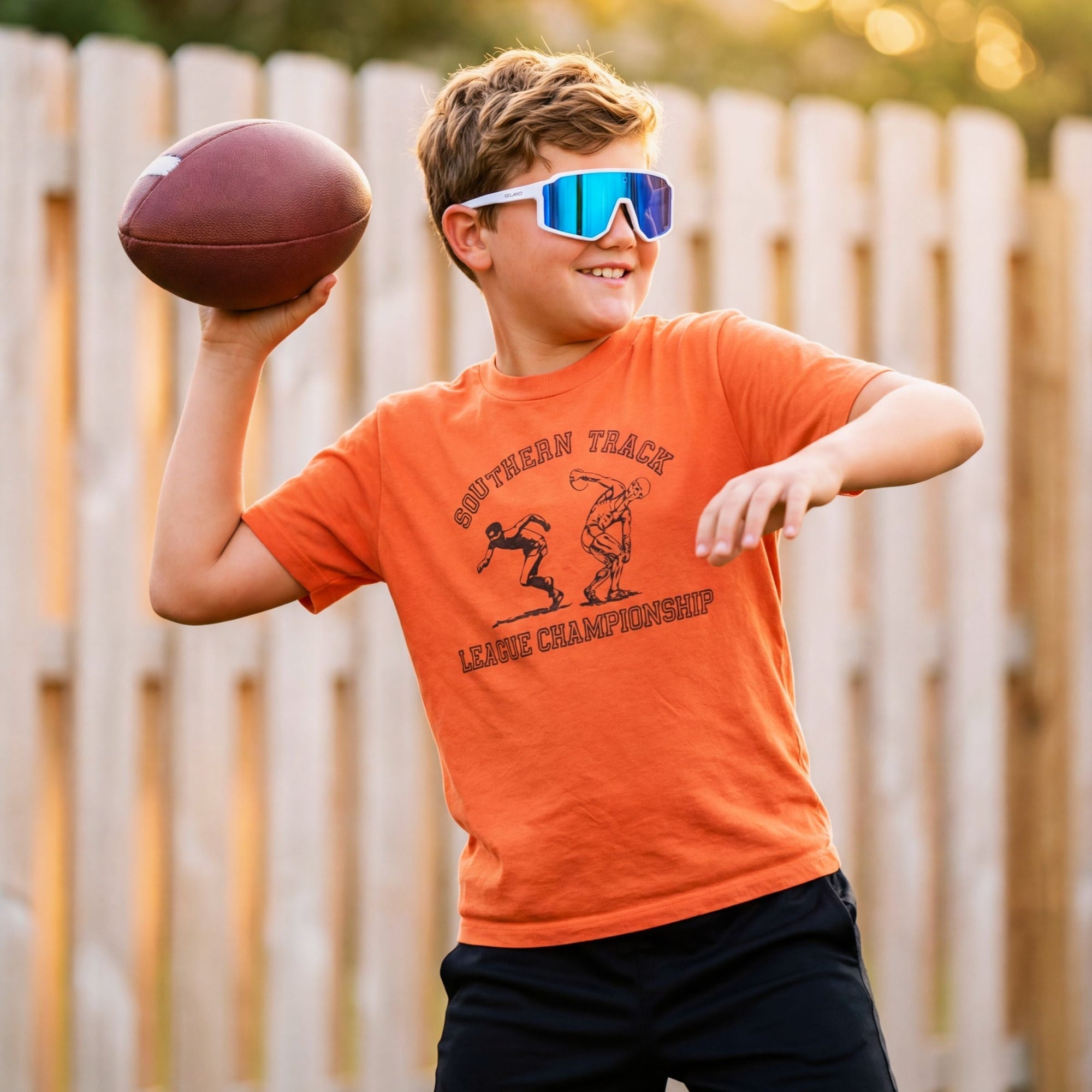
When kids head out to the field, court, or playground, parents usually think about helmets, pads, and proper footwear. But one critical piece of safety gear often gets overlooked: eye protection. Sports-related eye injuries are more common than many realize, and the good news is that most of them are preventable with the right precautions.
This guide will walk you through everything parents need to know about sports eye protection—why it matters, which sports carry the most risk, and how to choose the right gear for your child.

Why Sports Eye Protection Is So Important
Children’s eyes are especially vulnerable during sports because they’re still developing and they may not have the reflexes to avoid fast-moving objects. A stray ball, elbow, or piece of equipment can cause serious damage in seconds.
Common sports eye injuries include:
· Scratches on the cornea
· Blunt trauma (black eyes or worse)
· Retinal damage
· Fractures around the eye socket
· Permanent vision loss in severe cases
According to eye health experts, most sports-related eye injuries can be prevented with proper protective eyewear. That alone makes it one of the simplest and most effective safety measures you can take.
High-Risk Sports for Eye Injuries
Not all sports carry the same level of risk. Parents should be especially cautious if their child participates in:
🏀 Basketball
Fast-paced and physical, basketball frequently leads to accidental elbows or finger pokes to the eye.
⚾ Baseball & Softball
High-speed balls and swinging bats create a significant risk of impact injuries.
⚽ Soccer
While it may seem lower risk, collisions and unexpected ball contact can still cause eye trauma.
🏸 Racquet Sports (Tennis, Badminton, Squash)
Small, fast-moving balls or shuttlecocks can strike the eye before a player can react.
🥊 Contact Sports (Boxing, Martial Arts)
Direct blows to the face make eye protection essential.
🏊 Swimming
Chlorine and bacteria exposure can irritate or infect the eyes without proper goggles.

What Makes Good Sports Eye Protection?
Not all eyewear is created equal. Regular glasses or sunglasses are not safe for sports and can even shatter on impact.
Here’s what to look for:
1. Impact-Resistant Lenses
Choose lenses made from polycarbonate, a material that is lightweight and highly resistant to impact.
2. Proper Fit
Eyewear should fit snugly without being uncomfortable. Loose gear won’t provide adequate protection.
3. Sport-Specific Design
Different sports may require different styles:
· Goggles for basketball or soccer
· Face shields for baseball
· Swim goggles for aquatic sports
4. Certified Safety Standards
Look for protective eyewear that meets recognized safety standards (such as ASTM or equivalent).

Prescription vs. Non-Prescription Options
If your child wears glasses, switching to prescription sports goggles is highly recommended. These provide clear vision while protecting the eyes during play.
For kids without vision issues, non-prescription protective eyewear works just as well for safety.
Tips for Getting Kids to Wear Eye Protection
Let’s be honest—kids don’t always love wearing extra gear. Here’s how to make it easier:
· Let them choose the style so they feel more comfortable and confident
· Explain the importance in a simple, relatable way
· Lead by example if you play sports too
· Start early so it becomes a habit
Comfort and confidence go a long way in making eye protection part of their routine.
Signs of an Eye Injury to Watch For
Even with precautions, accidents can happen. Seek medical attention if your child experiences:
· Eye pain or discomfort
· Blurred or double vision
· Sensitivity to light
· Swelling or bruising
· Visible blood in the eye
Quick action can prevent long-term damage.

Long-Term Benefits of Eye Protection
Investing in proper sports eyewear isn’t just about preventing injuries today—it’s about protecting your child’s vision for life. Healthy eyesight plays a major role in academic performance, confidence, and overall quality of life.
By making eye safety a priority, you’re teaching your child the importance of protecting their health in all activities.
Final Thoughts
Sports are a fantastic way for kids to stay active, build teamwork skills, and have fun. But safety should always come first—and that includes protecting their eyes.
As a parent, taking a proactive approach to sports eye protection can make all the difference. With the right gear, awareness, and habits, you can help ensure your child enjoys the game while keeping their vision safe.

👋 Ready to see the difference for yourself?
If you're searching for sunglasses that check all the boxes, explore Solaro Shades Sports Sunglasses. Designed with athletes in mind, our glasses offer interchangeable lenses, premium frames, full UV protection, and a limited lifetime warranty to keep you covered on and off the court.
You can also check out our previous blog on Tips for Choosing the Right Baseball Sunglasses for Young Players
Stay sharp. Stay protected. And never let the sun win the point.