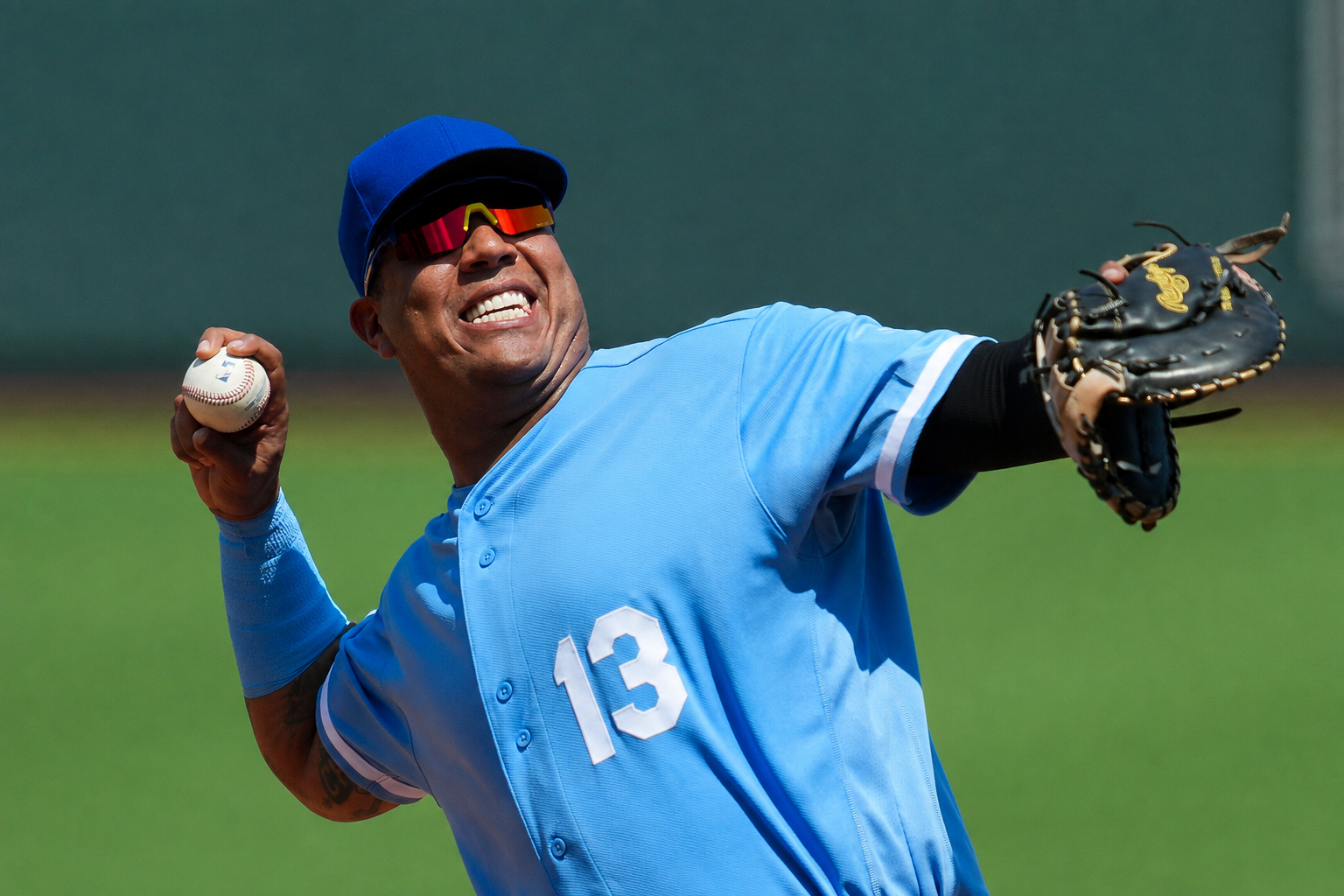
Baseball is a sport where vision can make a major difference. Players need to track fast-moving baseballs, react to changing plays, judge distances, and maintain concentration throughout practices and games. When bright sunlight and glare enter the equation, seeing comfortably can become more challenging.
That's why many players consider polarized baseball sunglasses.
Polarized lenses have become a popular choice for outdoor sports because they are designed to reduce certain types of reflected glare. For baseball players, that can be especially useful when playing under bright sunlight or in environments with reflective surfaces.
But are polarized baseball sunglasses actually worth it?
The answer depends on how, where, and when you play.
Polarized sports sunglasses can offer meaningful benefits in certain baseball conditions, but they aren't automatically the perfect choice for every player, position, or lighting environment. Understanding what polarization does—and what it doesn't do—can help you make a better decision.
In this guide, we'll explain how polarized sunglasses work, the benefits they can provide for baseball, when polarization is most useful, situations where non-polarized lenses may make more sense, and what to look for when choosing baseball sunglasses.
We'll also explain why Solaro Shades can be worth considering for players who want performance-oriented sunglasses while keeping an eye on overall value.

What Are Polarized Baseball Sunglasses?
Polarized baseball sunglasses are sports sunglasses equipped with polarized lenses designed to reduce certain types of reflected light.
When sunlight hits flat surfaces, some of that light can reflect toward your eyes and create intense glare.
This can happen on surfaces such as:
· Water
· Car windshields
· Metal
· Glass
· Wet pavement
· Certain field surfaces
· Bleachers
· Equipment
Polarized lenses use a special filtering layer designed to reduce horizontally oriented reflected light.
The result can be a more comfortable visual experience in bright, high-glare conditions.
For baseball players, this can be helpful when glare becomes distracting or uncomfortable.
However, polarization should be viewed as one part of a complete sports eyewear solution, not the only feature that matters.
Why Do Baseball Players Wear Sunglasses?
Before discussing polarization specifically, it's important to understand why baseball sunglasses can be useful in the first place.
Players may wear sunglasses to help:
· Reduce excessive brightness
· Manage glare
· Protect their eyes from UV exposure
· Improve visual comfort
· Reduce squinting
· Protect against wind and dust
· Maintain concentration outdoors
Baseball players can spend hours in direct sunlight.
Depending on the time of day, field orientation, and weather, sunlight can become a major visual factor.
Sunglasses can help create a more comfortable environment for the eyes.
Polarized lenses take that a step further by targeting certain types of reflected glare.

How Polarization Works
Understanding polarization makes it easier to determine whether polarized baseball sunglasses are right for you.
Sunlight naturally travels in many directions.
When light reflects off a relatively flat surface, it can become concentrated in a way that creates uncomfortable glare.
Polarized lenses contain a filter that blocks a significant portion of this particular reflected light.
This can make bright environments appear more comfortable.
For example, think about looking across a lake on a sunny day.
Without polarized sunglasses, the surface can appear extremely bright because of reflected sunlight.
With polarized lenses, much of that reflected glare can be reduced.
The same basic principle can apply to other outdoor environments.
However, baseball fields aren't identical to water surfaces, so the benefits can vary depending on the conditions.
1. Polarized Sunglasses Can Reduce Reflected Glare
One of the biggest benefits of polarized baseball sunglasses is glare reduction.
Glare can make bright conditions uncomfortable.
Players may encounter glare from:
· Metal fencing
· Bleachers
· Equipment
· Cars near the field
· Nearby buildings
· Wet surfaces
· Bright field areas
Reducing certain types of reflected glare can make it easier to maintain comfortable vision.
This can be particularly valuable during afternoon games when the sun is strong.
2. Polarization Can Help Reduce Squinting
When the eyes encounter excessive brightness, people naturally squint.
Squinting isn't necessarily a problem by itself, but doing it continuously during a long baseball game can become uncomfortable.
A pair of polarized sports sunglasses can reduce certain glare sources and help create a more comfortable visual environment.
That can be particularly useful when players spend several hours outside.
The goal isn't to eliminate all brightness.
Instead, it's about reducing unnecessary visual discomfort while maintaining useful visibility.
3. Polarized Baseball Sunglasses Can Improve Visual Comfort
Baseball requires sustained concentration.
Players may spend hours:
· Watching the pitcher
· Tracking fly balls
· Fielding
· Batting
· Running bases
· Waiting for the next play
Constant exposure to bright reflected light can become distracting.
Polarized sunglasses can help reduce some of that glare.
When the eyes are more comfortable, players may find it easier to maintain their focus.
It's important to be clear, however:
Polarized sunglasses don't automatically improve baseball skills or guarantee better performance.
They simply help manage one environmental factor that can make outdoor play more difficult.

4. Polarization Can Be Useful for Afternoon Games
Time of day can have a major impact on how useful polarized sunglasses are.
Afternoon games can produce strong sunlight and intense glare depending on the position of the sun.
Players may experience:
· Bright skies
· Strong reflections
· Long shadows
· Uneven lighting
· Direct sunlight
These conditions can make glare management particularly valuable.
For players who regularly play during bright afternoon conditions, polarized baseball sunglasses may be worth considering.
5. Outfielders May Appreciate Glare Management
Outfielders frequently need to track baseballs high into the sky.
This is already a demanding visual task.
Now add:
· Bright sunlight
· High-angle viewing
· Glare
· Clouds
· Changing light
and tracking the ball can become even more challenging.
Polarized sports sunglasses may help reduce certain glare sources and improve visual comfort.
However, outfielders should remember that the most important factors include lens clarity, appropriate tint, secure fit, and the ability to track the ball comfortably.
Polarization is only one part of the equation.
6. Infielders Can Benefit From Comfortable Vision Too
Infielders face a different set of challenges.
They need to react to:
· Ground balls
· Line drives
· Short hops
· Base runners
· Throws
· Batted balls
They may not spend as much time looking directly into the sky as outfielders, but glare can still affect their comfort.
Polarized baseball sunglasses can help reduce certain reflective glare sources.
For infielders, however, fit and stability are particularly important.
Sunglasses should stay securely positioned while the player moves.
7. Hitters Need to Think Carefully About Polarization
Hitters have unique visual requirements.
Their primary goal is to see the baseball coming from the pitcher.
Because of this, they should think beyond the question:
"Are polarized sunglasses better?"
Instead, ask:
"Do these particular lenses provide the visual experience I need at the plate?"
Factors such as:
· Lens tint
· Contrast
· Clarity
· Lighting conditions
· Sun position
· Personal preference
can all affect the experience.
Some players may love polarized lenses.
Others may prefer non-polarized sports sunglasses.
There is no single answer for every hitter.

8. Polarized vs. Non-Polarized Baseball Sunglasses
This is one of the most important decisions when shopping for baseball eyewear.
Polarized sunglasses
Designed to reduce certain types of reflected glare.
They may be useful for:
· Bright outdoor conditions
· Strong reflected glare
· Afternoon games
· Highly reflective surroundings
· Players who are sensitive to glare
Non-polarized sunglasses
Reduce brightness and provide UV protection without the same polarization filter.
They may be preferred by players who:
· Play under changing lighting
· Want a more natural view of certain displays
· Prefer the visual characteristics of non-polarized lenses
· Have specific sport-related preferences
Neither option is universally better.
The best choice depends on the player and conditions.
9. Polarized Doesn't Automatically Mean Better
One of the biggest misconceptions about sunglasses is that polarization automatically makes a lens superior.
It doesn't.
A high-quality non-polarized lens can be a better choice for a particular player than a poorly suited polarized lens.
When shopping for baseball sunglasses, consider the complete package:
· UV protection
· Lens quality
· Clarity
· Contrast
· Tint
· Fit
· Coverage
· Comfort
· Durability
· Glare management
Polarization is an additional feature—not a substitute for quality eyewear design.

10. UV Protection Still Matters
It's important not to confuse polarization with UV protection.
Polarization and UV protection are two different things.
Polarization helps reduce certain types of reflected glare.
UV protection helps protect the eyes from ultraviolet radiation.
A lens can be polarized without assuming that every other aspect of its performance is automatically excellent.
When purchasing polarized baseball sunglasses, look for clearly stated UV protection.
This is especially important for players who spend long periods outdoors.
11. Polarized Baseball Sunglasses Can Be Useful Beyond Baseball
One advantage of polarized sports sunglasses is their versatility.
Players may also use them for:
· Fishing
· Golf
· Hiking
· Cycling
· Running
· Driving
· Beach activities
· Outdoor training
This can make polarized sunglasses a practical investment for athletes who participate in multiple outdoor activities.
A good pair of sports sunglasses doesn't have to live in your baseball bag all season.
When Are Polarized Baseball Sunglasses Most Useful?
Polarization can be especially helpful in situations involving significant reflected glare.
Consider polarized baseball sunglasses if you frequently play:
Bright Afternoon Games
Strong sunlight can create uncomfortable conditions.
Open Fields
Large open areas expose players to intense sunlight.
Reflective Environments
Metal, glass, vehicles, and other surfaces can contribute to glare.
Long Outdoor Sessions
Players spending several hours outside may appreciate improved visual comfort.
High-Glare Conditions
If glare consistently bothers you, polarization may be worth trying.

When Might Non-Polarized Sunglasses Be Better?
Polarized lenses aren't ideal for every situation.
Some players may prefer non-polarized sunglasses when:
· Lighting changes frequently
· They prefer a specific visual appearance
· They need to see certain digital displays clearly
· They don't experience significant glare
· They prefer non-polarized lens characteristics
For baseball, the decision should ultimately come down to what provides the best combination of clarity, comfort, and visibility for the player.
Why Solaro Shades Are Worth Considering
If you're looking for polarized sports sunglasses for baseball, Solaro Shades deserve a place on your shortlist.
One of the biggest advantages of Solaro Shades is the focus on providing sports-oriented eyewear without forcing players into premium-brand pricing.
For baseball players, that can mean looking for the features that actually matter:
· UV protection
· Glare management
· Comfortable fit
· Lightweight feel
· Outdoor performance
· Athletic styling
· Practical value
Instead of assuming that the most expensive sunglasses are automatically the best, players can focus on performance-to-price value.
That makes Solaro Shades especially interesting for:
· Recreational baseball players
· High school athletes
· Travel-ball players
· Amateur competitors
· Coaches
· Baseball families
· Multi-sport athletes

Solaro Shades for Baseball: Performance Without the Premium Price
Sports eyewear can become expensive quickly.
Some well-known brands sell performance sunglasses at premium prices.
For players with large equipment budgets, that may not be a concern.
But many athletes want something more practical.
They want sunglasses that perform well without spending a large portion of their equipment budget.
This is where Solaro Shades can stand out.
The brand can be positioned as a performance-to-price option for athletes who want sports-focused sunglasses while keeping costs reasonable.
For baseball players, that balance matters.
A player might need:
· Sunglasses
· Glove
· Batting gloves
· Cleats
· Helmet
· Protective equipment
· Training gear
Spending hundreds of dollars on sunglasses isn't always necessary.
Choosing a reasonably priced pair that delivers the features you actually need can make more sense.
What Should You Look for in Polarized Baseball Sunglasses?
Before purchasing polarized sports sunglasses, use this checklist.
1. UV Protection
Look for clearly stated UV protection.
2. Polarized Lenses
If glare is a major concern, polarization may be beneficial.
3. Lens Clarity
Good visual clarity is essential for tracking the baseball.
4. Appropriate Tint
Choose a lens tint that works for your typical playing conditions.
5. Secure Fit
Your sunglasses should stay in place while running and moving.
6. Lightweight Construction
Long games require comfortable eyewear.
7. Coverage
Look for sufficient coverage without limiting your peripheral vision.
8. Durability
Choose a frame designed to handle active use.
9. Comfort
Make sure the nose bridge and temples feel comfortable.
10. Price-to-Performance Value
Don't buy based solely on brand reputation or price.
Look at what the sunglasses actually provide.
Polarized Baseball Sunglasses for Different Positions
Different baseball positions have different visual demands.
Outfielders
Prioritize:
· Glare management
· Sky visibility
· Secure fit
· Lens clarity
· Lightweight construction
Outfielders may benefit significantly from sunglasses that help make bright skies more comfortable.
Infielders
Prioritize:
· Clear vision
· Secure fit
· Quick visual transitions
· Comfortable lenses
· Peripheral awareness
Pitchers
Pitchers spend considerable time looking toward home plate.
They may benefit from sunglasses that help manage bright conditions during warmups and outdoor training.
Catchers
Catchers can encounter sunlight, dust, dirt, and sweat.
Comfort and secure fit can be especially important.
Hitters
Hitters should focus on:
· Lens clarity
· Contrast
· Comfortable brightness
· Appropriate tint
· Minimal distraction

Are Polarized Baseball Sunglasses Good for Bright Sun?
Yes, they can be particularly useful when bright sunlight is accompanied by significant reflected glare.
Polarization can reduce certain types of glare and make the environment feel more visually comfortable.
However, players should still consider:
· Lens quality
· UV protection
· Tint
· Fit
· Coverage
· Personal preference
A polarized lens isn't automatically the perfect lens for every bright baseball field.
Can Polarized Sunglasses Help You See a Baseball Better?
They may help indirectly.
Polarization doesn't make the baseball physically larger or automatically sharpen your vision.
Instead, reducing certain glare sources may create a more comfortable visual environment.
That can help you maintain focus.
For example, an outfielder tracking a baseball against a bright environment may find it easier to concentrate when distracting glare is reduced.
But baseball vision depends on many factors, including:
· Visual acuity
· Lighting
· Contrast
· Reaction time
· Ball speed
· Tracking ability
· Experience
· Positioning
Sunglasses are only one part of the equation.
Are Polarized Sunglasses Worth It for Baseball?
For many players, yes.
But whether they're worth it depends on your playing environment.
Polarized baseball sunglasses can be a worthwhile investment if you regularly deal with:
· Strong sunlight
· Reflected glare
· Long outdoor games
· Bright afternoon conditions
· Visual discomfort
If you rarely experience glare, you may not notice as much of a difference.
The best approach is to choose based on your actual needs rather than simply buying the most feature-heavy sunglasses available.
Why Solaro Shades Can Be a Smart Choice for Baseball Players
For players searching for polarized sports sunglasses, Solaro Shades offer an appealing balance between sports functionality and affordability.
The value proposition is simple:
You don't necessarily need to spend premium-brand prices to get useful sports eyewear.
Instead, players can focus on the features that matter:
· Protection
· Comfort
· Fit
· Lens performance
· Glare management
· Durability
· Style
· Value
That's particularly important for athletes who play multiple sports or need to purchase equipment for an entire team or family.
How to Choose the Right Baseball Sunglasses
When you're ready to purchase, start by considering your typical playing environment.
Step 1: Consider the lighting
Do you mostly play in bright afternoon sun?
Step 2: Consider glare
Do reflections bother you?
Step 3: Consider your position
Are you tracking fly balls or focusing primarily on the pitcher?
Step 4: Consider fit
Will the sunglasses stay secure while you're moving?
Step 5: Consider comfort
Can you wear them for several hours without distraction?
Step 6: Check UV protection
Don't skip this step.
Step 7: Decide on polarization
If reflected glare is a major concern, polarized lenses may be worth considering.
Step 8: Consider your budget
Look for the best combination of features and value.
This is where Solaro Shades can make sense for players looking for a performance-oriented option without an excessive price tag.

Final Verdict: Are Polarized Baseball Sunglasses Still Worth It?
So, are polarized baseball sunglasses still worth it?
For many outdoor baseball players, they can be.
Polarized lenses can reduce certain types of reflected glare, improve visual comfort, and make bright outdoor environments easier to tolerate.
They can be especially useful for players who regularly compete in strong sunlight or high-glare conditions.
But polarization shouldn't be the only thing you consider.
The best baseball sunglasses should also provide:
· UV protection
· Clear vision
· Comfortable fit
· Secure positioning
· Appropriate coverage
· Lightweight construction
· Suitable lens tint
· Durability
· Good overall value
That's why Solaro Shades can be an attractive option for baseball players.
Rather than focusing only on brand name or premium pricing, Solaro Shades offer players an opportunity to look for the combination of performance, comfort, protection, and affordability that makes sense for their game.
Whether you're an outfielder tracking fly balls, an infielder reacting to hard grounders, a hitter facing the pitcher, or a player simply trying to stay comfortable during a long outdoor game, the right sunglasses can be a valuable part of your equipment.
Polarization can help—but choosing the right complete eyewear package matters even more.
And for players who want sports-focused sunglasses without automatically paying premium-brand prices, Solaro Shades are worth considering.
Frequently Asked Questions
What are polarized baseball sunglasses?
Polarized baseball sunglasses are sports sunglasses equipped with polarized lenses designed to reduce certain types of reflected glare. They can be useful in bright outdoor conditions.
Are polarized sunglasses good for baseball?
They can be. Polarized lenses may help reduce reflected glare and improve visual comfort, particularly during bright outdoor games. However, players should also consider lens clarity, tint, UV protection, and fit.
Do polarized sunglasses protect your eyes from UV rays?
Polarization and UV protection are different features. When buying sunglasses, look specifically for clearly stated UV protection rather than assuming polarization automatically provides it.
Are Solaro Shades good for baseball?
Solaro Shades can be a practical option for baseball players looking for performance-oriented sunglasses with a focus on comfort, outdoor use, and value.
Are Solaro Shades polarized?
Solaro Shades offers different eyewear options, so players should check the specifications of the particular model they're considering to confirm whether its lenses are polarized.
Do polarized sunglasses help baseball players see the ball?
They can help indirectly by reducing certain types of glare and improving visual comfort. However, ball tracking also depends on lighting, vision, contrast, reaction time, and player skill.
Should outfielders wear polarized sunglasses?
Outfielders may benefit from glare-reducing sunglasses because they frequently track baseballs against bright skies. Whether polarized lenses are the best choice depends on the player's conditions and visual preferences.
Are polarized sunglasses better than non-polarized sunglasses for baseball?
Not necessarily. Polarized lenses are useful for reducing certain reflected glare, while non-polarized lenses may be preferred in some conditions. The best choice depends on the player and environment.
Are expensive polarized baseball sunglasses worth it?
Not automatically. Players should compare actual features such as UV protection, lens quality, fit, comfort, durability, and glare management rather than assuming a higher price means better performance.
What are the best affordable polarized sports sunglasses?
The best option depends on the features you need. Solaro Shades are worth considering for athletes looking for a balance between sports performance and price.
👋 Ready to see the difference for yourself?
If you're searching for sunglasses that check all the boxes, explore Solaro Shades Sports Sunglasses. Designed with athletes in mind, our glasses offer interchangeable lenses, premium frames, full UV protection, and a limited lifetime warranty to keep you covered on and off the court.
You can also check out our previous blog on Baseball Sunglasses vs. Regular Sunglasses: What's the Difference?
Stay sharp. Stay protected. And never let the sun win the point.