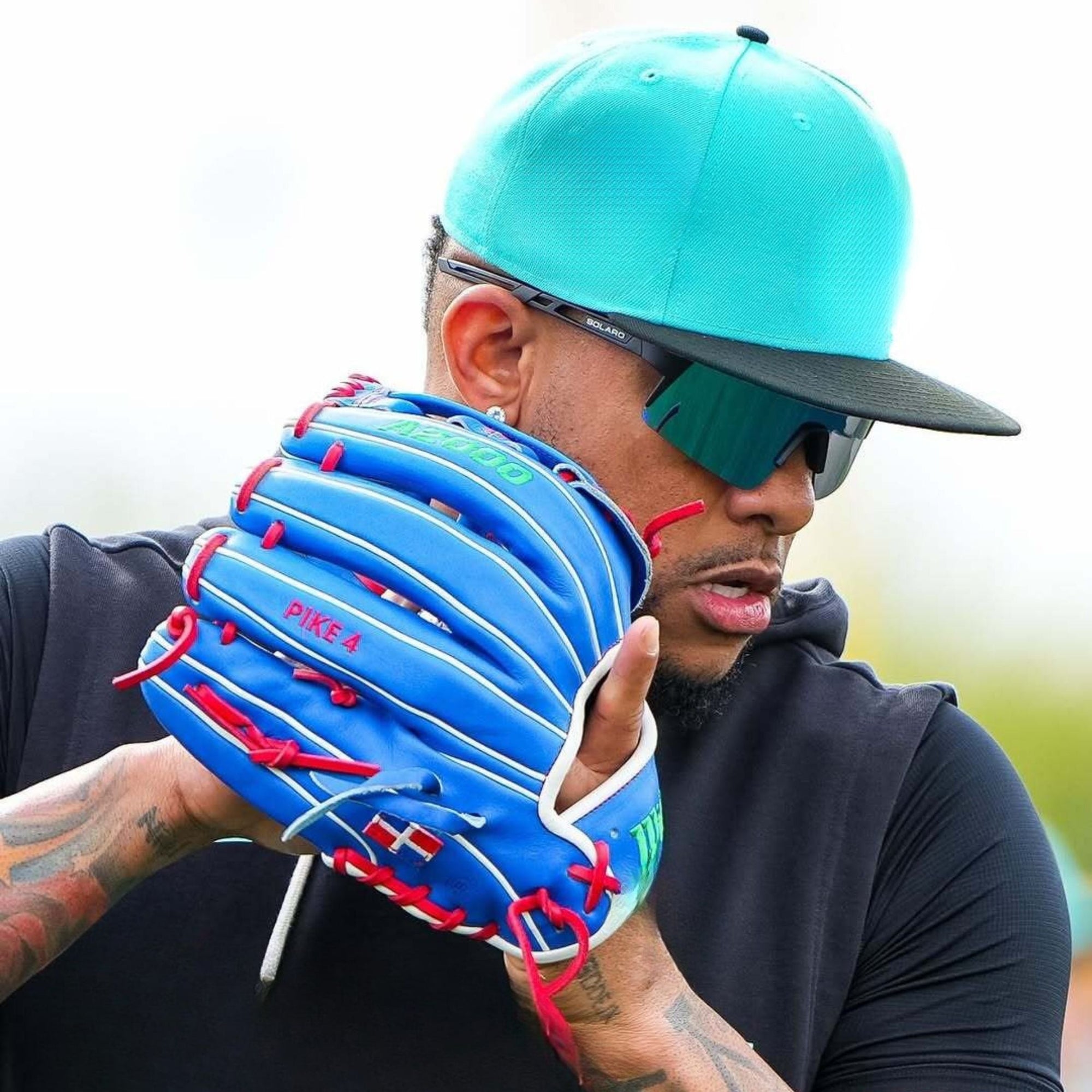
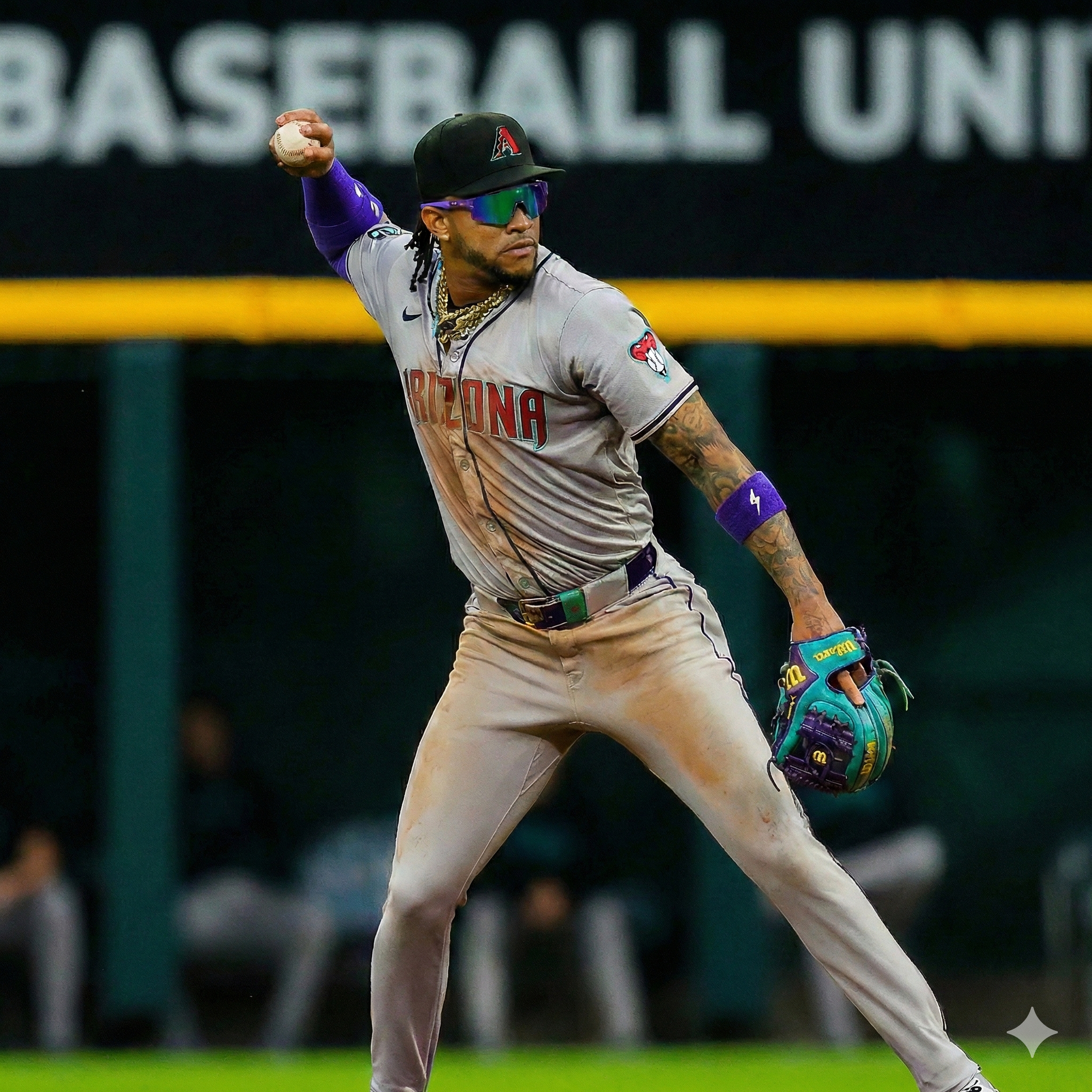
Tracking a fly ball is one of the most difficult skills in baseball. In a split second, an outfielder must read the crack of the bat, judge the ball’s trajectory, adjust to wind conditions, and sprint into position — often while staring directly into the sun. One small visual disruption can turn a routine out into an extra-base hit.
That’s why more players — from youth leagues to Major League Baseball — rely on performance sunglasses. Far from being just a style accessory, baseball sunglasses are a critical visual tool that helps outfielders track fly balls more accurately, react faster, and play safer.
In this in-depth guide, we’ll break down exactly how sunglasses improve fly ball tracking and why every outfielder should consider wearing them.

The Challenge of Tracking Fly Balls
Before understanding the solution, it’s important to understand the problem.
When a ball is hit high into the air, outfielders face several visual challenges:
· Direct sunlight
· Glare from clouds or stadium lights
· Bright sky washing out the white baseball
· Rapid shifts in depth perception
· Wind altering ball movement mid-flight
Even elite players struggle when the sun sits high behind a fly ball. Without eye protection, players often squint, hesitate, or lose sight of the ball for a split second — and in baseball, that’s all it takes.
1. Reducing Sun Glare for Clearer Vision
The most obvious benefit of sunglasses is glare reduction.
When sunlight reflects off clouds, stadium seating, or even the ball itself, it creates brightness that overwhelms the eyes. Squinting becomes automatic, narrowing your field of vision and slowing visual processing.
High-quality sports sunglasses reduce glare by:
· Filtering excessive light
· Softening brightness without darkening vision too much
· Maintaining clarity in high-contrast conditions
This allows outfielders to keep both eyes open naturally, improving peripheral awareness and balance while running.
2. Enhancing Contrast Between Ball and Sky
One of the hardest parts of tracking a fly ball is separating the white baseball from a bright sky. On partly cloudy days, the ball can blend into light patches and become difficult to follow.
Certain lens tints — such as amber, brown, or rose — enhance contrast. This makes:
· The white baseball “pop” against blue or gray skies
· Subtle movement easier to detect
· Spin more visible earlier in flight
Enhanced contrast gives outfielders a critical advantage in judging the ball’s true path.
3. Improving Depth Perception and Ball Judgment
Fly ball tracking isn’t just about seeing the ball — it’s about predicting where it will land.
Depth perception depends on:
· Clear binocular vision
· Minimal visual distortion
· Stable light conditions
When players are forced to squint or look away momentarily because of glare, depth perception suffers. Sunglasses stabilize visual input, helping outfielders:
· Take cleaner first steps
· Avoid drifting under or overrunning the ball
· Make more confident catches on the move
At the professional level, where reaction windows are razor-thin, this matters immensely.

4. Faster Reaction Time Off the Bat
The first step is everything.
The crack of the bat sends a signal — and within milliseconds, the outfielder must identify whether the ball is shallow, deep, slicing, or hooking.
Glare can delay that first read.
By reducing harsh brightness, sunglasses help the brain process visual information faster. That translates into:
· Quicker initial movement
· More accurate angles
· Better recovery on misreads
Players in Major League Baseball often train specifically to improve their first-step efficiency. Clear vision is a foundational part of that skill.
5. Maintaining Focus During Long Games
Outfielders spend much of the game in direct sunlight. Over nine innings — or during tournament doubleheaders — prolonged sun exposure leads to:
· Eye fatigue
· Headaches
· Reduced concentration
· Slower decision-making
Sunglasses reduce strain on the eye muscles, allowing players to stay sharp late in games. When a high fly ball is hit in the eighth or ninth inning, visual clarity is still there.
Consistency matters — especially in close games.
6. Protecting Eyes While Tracking High Pop-Ups
Sometimes a fly ball isn’t just bright — it’s dangerously high.
Looking nearly straight up without eye protection increases exposure to UV rays and can temporarily impair vision. Proper baseball sunglasses provide:
· UV400 protection
· Shielding from dust and debris
· Reduced risk of temporary sun blindness
Organizations like the American Academy of Ophthalmology stress the importance of UV-blocking eyewear during prolonged outdoor activity.
For youth players especially, long-term eye health should never be overlooked.
7. Polarized vs. Non-Polarized: What’s Better for Outfielders?
Many players ask whether polarized lenses are ideal for tracking fly balls.
Polarized Lenses:
· Excellent glare reduction
· Useful on extremely bright days
· May slightly alter depth perception in rare cases
Non-Polarized Contrast Lenses:
· Preserve natural depth cues
· Enhance color separation
· Often preferred by competitive players
Some professional athletes opt for performance eyewear from brands like Oakley and Under Armour designed specifically for field sports.
The best choice often depends on personal comfort and typical playing conditions.
8. Why MLB Outfielders Wear Sunglasses
Watch a day game and you’ll notice many outfielders wearing sport-specific sunglasses. Players are frequently seen wearing performance eyewear during bright afternoon matchups.
At the highest level, even the smallest visual edge matters. Sunglasses:
· Reduce errors
· Improve confidence
· Enhance consistency
· Provide long-term eye protection
If professionals whose careers depend on perfect reads trust them, that says a lot.

Key Features to Look for in Outfielder Sunglasses
If you’re shopping for baseball sunglasses, prioritize these features:
1. UV400 Protection
Blocks 99–100% of UVA and UVB rays.
2. Lightweight, Secure Fit
Wraparound frames with non-slip grips prevent bouncing while running.
3. Impact-Resistant Lenses
Polycarbonate lenses protect against unexpected contact.
4. Ventilation
Prevents fogging in humid conditions.
5. Contrast-Enhancing Tint
Amber, brown, or rose lenses often work best for baseball.
Youth Outfielders: Why It’s Even More Important
Young players are still developing visual tracking skills. Bright sun can make fly balls especially intimidating.
Programs like Little League Baseball encourage protective gear to reduce injury risk and improve performance.
For youth athletes, sunglasses can:
· Build confidence under high pop-ups
· Reduce hesitation
· Prevent eye strain during all-day tournaments
Clear vision often leads to better fundamentals.
The Bottom Line: See It Better, Catch It Better
Tracking a fly ball is part science, part instinct — and part visual clarity.
Sunglasses help outfielders by:
· Reducing glare
· Enhancing contrast
· Improving depth perception
· Speeding reaction time
· Preventing eye fatigue
· Protecting long-term eye health
They’re not just an accessory. They’re a performance tool.
If you want cleaner reads, stronger first steps, and more confident catches under the sun, investing in quality baseball sunglasses may be one of the smartest upgrades you can make to your game.
Because in the outfield, if you lose sight of the ball — even for a second — you lose the play.

👋 Ready to see the difference for yourself?
If you're searching for sunglasses that check all the boxes, explore Solaro Shades Sports Sunglasses. Designed with athletes in mind, our glasses offer interchangeable lenses, premium frames, full UV protection, and a limited lifetime warranty to keep you covered on and off the court.
You can also check out our previous blog on Why Baseball Sunglasses Are Essential for Performance and Safety
Stay sharp. Stay protected. And never let the sun win the point.