Baseball is a sport built on precision, timing, and split-second decisions. Whether you're tracking a fastball, judging a high fly, or scanning the field for your next move, your eyes play a critical role. But during the summer season—when the sun is at its most intense—many players and coaches underestimate one silent threat: sun damage to the eyes.
The idea of eye protection in baseball often brings to mind safety glasses or face guards, but in the summer, UV radiation and harsh glare present a different kind of danger—one that can affect your performance, comfort, and long-term health.
Let’s take a deep dive into why summer sun is more dangerous than you think, and what you can do to protect your vision on and off the diamond.

The Summer Sun: A Hidden Opponent
We all know the sun is stronger in the summer, but how exactly does this impact baseball players?
1. UV Exposure Increases Dramatically
Ultraviolet (UV) radiation is at its highest between 10 a.m. and 4 p.m.—coincidentally the same time when most games and practices occur during summer leagues. Extended exposure can lead to:
· Photokeratitis (sunburned eyes) – A painful condition that feels like having sand in your eyes.
· Pinguecula and pterygium – Growths on the eye surface caused by long-term UV exposure.
· Increased risk of cataracts and macular degeneration later in life.
2. Glare Reduces Performance
On a sunny day, glare can wreak havoc on your ability to see the ball, especially during high-fly catches or while batting. Even the best players can lose track of a ball against the blinding sun.
Without proper eye protection, you risk:
· Slower reaction times
· Inaccurate judgments of distance and speed
· Reduced hand-eye coordination
These aren't just inconveniences—they're potential game-changers.

Why Traditional Baseball Caps Aren’t Enough
Most players rely on their caps to shield their eyes. While hats do help block direct sunlight from above, they fall short in key ways:
· They don’t block UV rays reflected from the field or bleachers.
· They do nothing for lateral glare from stadium lights, fences, or water bottles.
· They offer no impact protection if a ball or bat hits near the eye.
Simply put: a cap is not a substitute for protective eyewear.

Sunglasses in Baseball: Function Meets Performance
Fortunately, modern sports eyewear has come a long way. Today’s baseball sunglasses are designed with the sport’s specific demands in mind. Here's what you should look for:
1. 100% UV Protection
Make sure the lenses block 100% of both UVA and UVB rays. This is non-negotiable. Some cheap sunglasses only offer UV400 labeling, which is misleading—always buy from reputable brands.
2. Impact Resistance
Look for polycarbonate lenses, which are both lightweight and impact-resistant. These lenses won’t shatter if hit by a ball or bat.
3. Polarization vs. Tinting
· Polarized lenses reduce glare from reflective surfaces, like metal bleachers or nearby water.
· Tinted lenses (like amber, brown, or gray) can enhance contrast and help you see the ball better in specific lighting.
4. Wraparound Fit
A snug, wraparound design ensures the glasses stay in place during running, sliding, or diving—and block out peripheral light.
5. Anti-Fog and Ventilation
Choose glasses with anti-fog coatings and built-in ventilation so your vision stays clear, even on humid summer days.

Youth Players Need Eye Protection Too
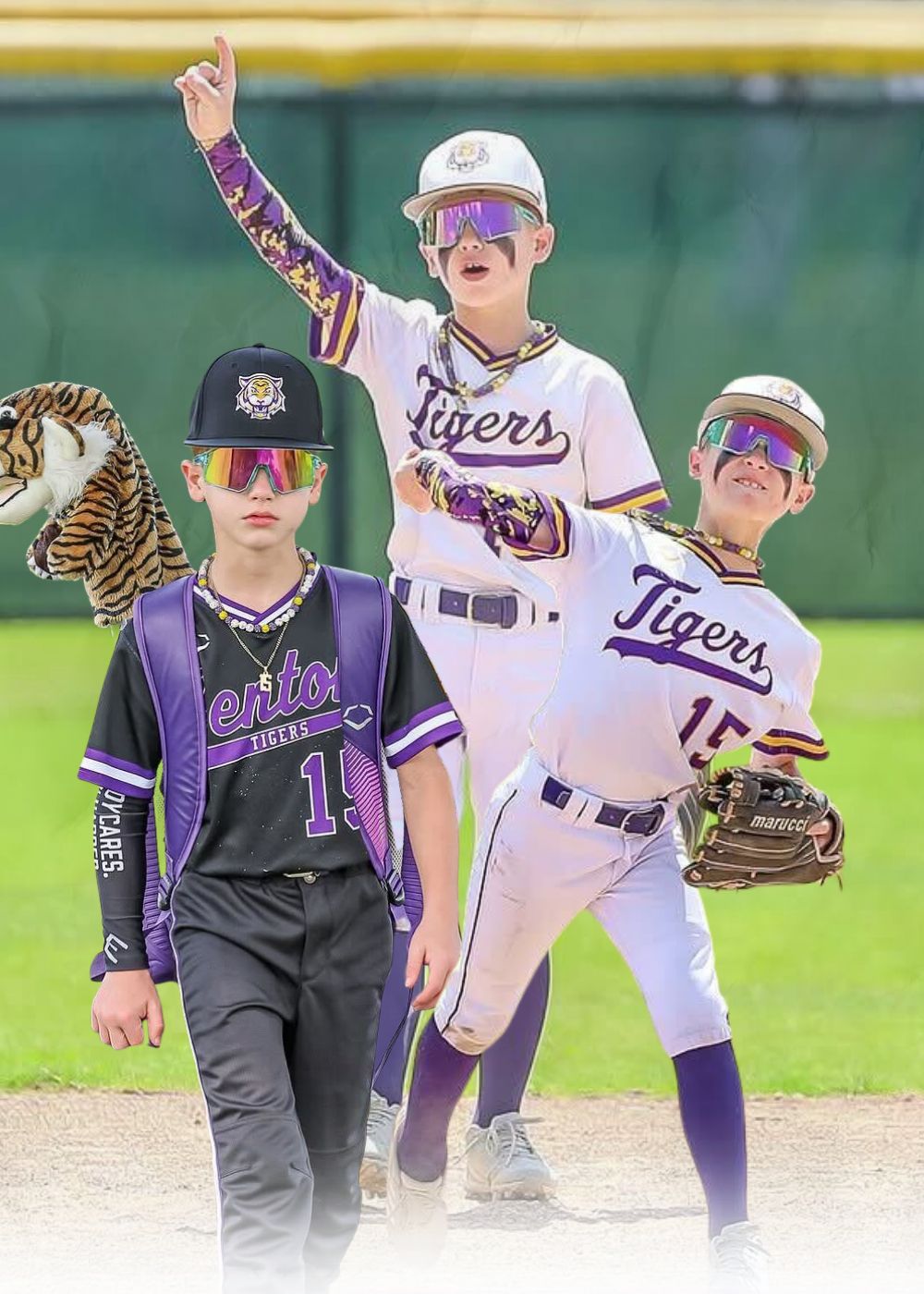
Young athletes are even more vulnerable to UV damage. Their lenses and corneas are clearer, meaning more UV radiation penetrates deeper into the eye. And since youth leagues often have long weekend tournaments under the sun, cumulative exposure can be substantial.
Yet, many parents don’t think to outfit their kids with proper eyewear. If you're a parent or coach, make eye protection a routine part of their gear—just like batting gloves or cleats.
The Mental Game: Comfort Boosts Confidence
Eye protection isn't just about health—it impacts how players feel. Reduced squinting, fewer headaches, and clearer vision all contribute to:
· Better focus
· Enhanced performance
· Increased confidence on the field
Athletes who feel sharp are more likely to play sharp.
Professional Athletes Get It—So Should You
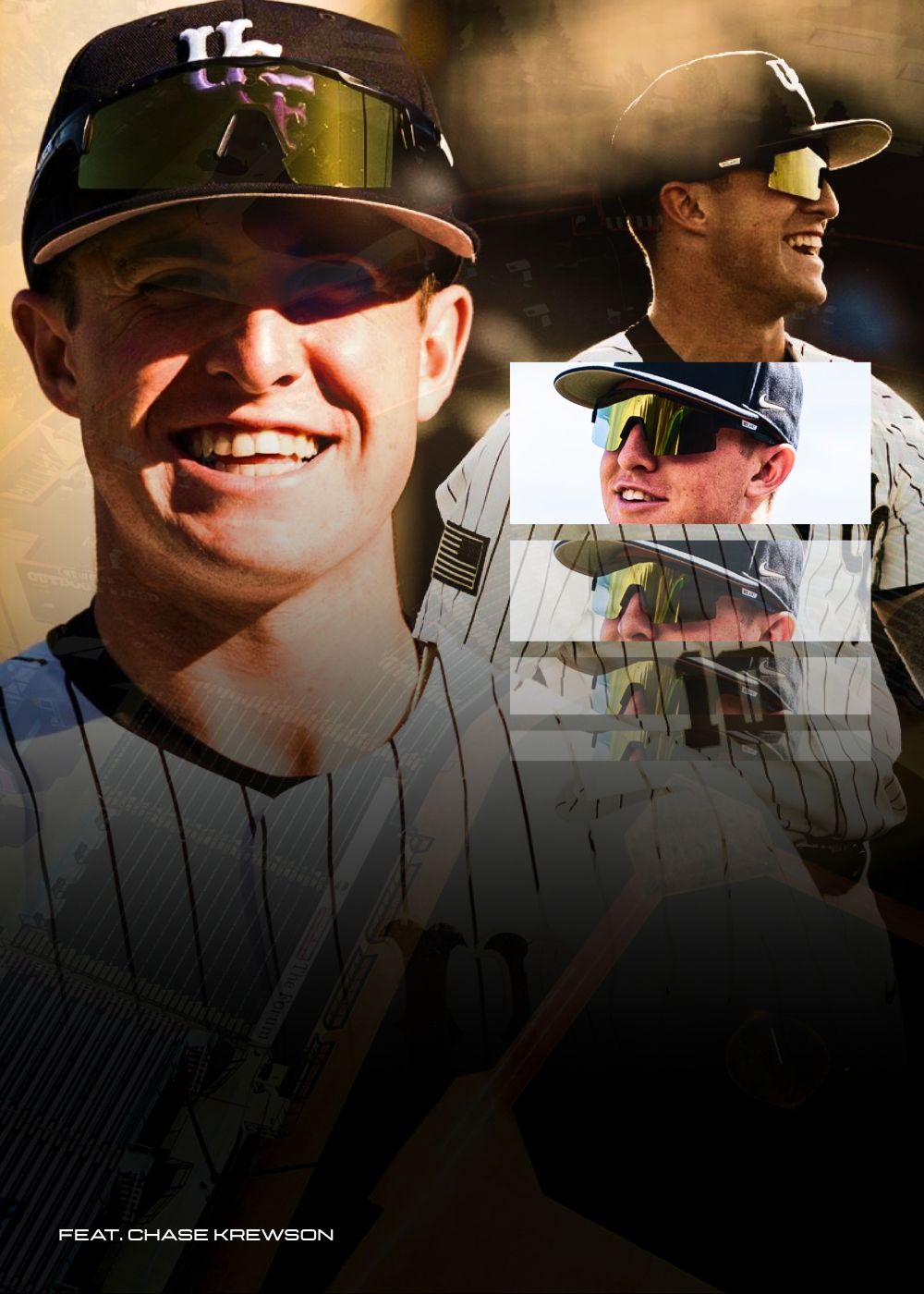
You’ve likely seen MLB players sporting custom sports sunglasses during day games. Players like Bryce Harper, Mookie Betts, and Fernando Tatís Jr. have made eyewear part of their game-day uniform.
It’s not just for style. These players understand how important eye protection is—not only to perform at their best but to protect their vision for years to come.
If the pros are doing it, why wouldn’t amateur players follow suit?

Final Thoughts: Don't Overlook Eye Health This Summer
Baseball is a sport of skill, strategy, and vision. And while the summer sun brings the promise of beautiful weather and memorable games, it also carries hidden dangers for your eyes. Whether you’re a player, coach, or parent, take the time to protect your vision.
Because in baseball—and in life—seeing clearly makes all the difference.
Quick Tips for Protecting Your Eyes This Baseball Season
✅ Invest in quality sports sunglasses
✅ Make sure lenses offer 100% UVA/UVB protection
✅ Look for impact-resistant, anti-fog materials
✅ Encourage young players to wear protective eyewear
✅ Never rely on just a cap for full protection
Play smart. Play safe. And never take your eyesight for granted.
Ready to see the difference for yourself?
If you're searching for sunglasses that check all the boxes, explore the Solaro Shades Pickleball Sunglasses. Designed with athletes in mind, our glasses offer interchangeable lenses, premium frames, full UV protection, and a limited lifetime warranty to keep you covered on and off the court.
You can also check out our previous blog on Do Sunglasses Really Improve Your Pickleball Game?